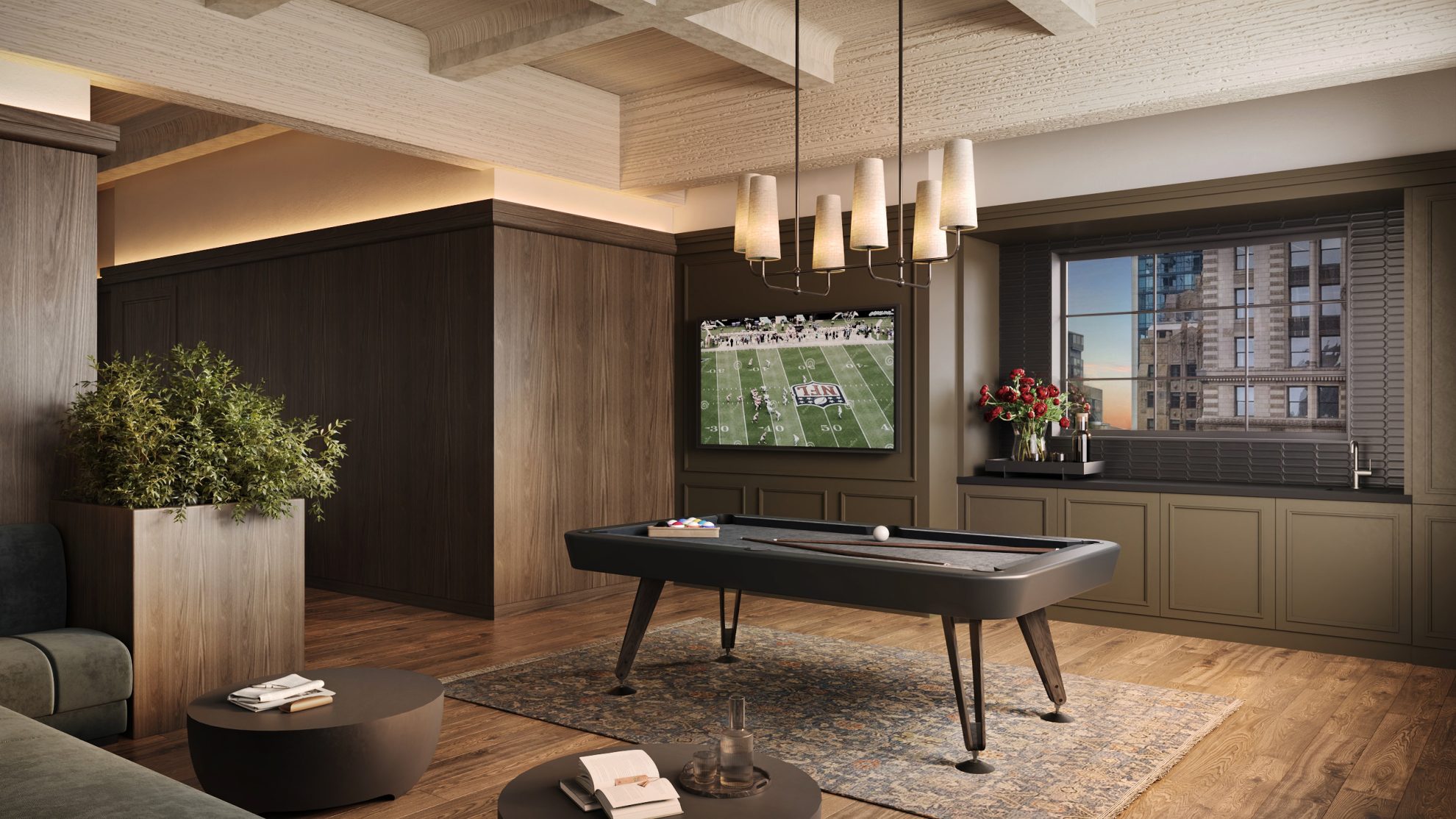
A floor plan tells you dimensions. A render tells you whether people will actually want to be in the room.
That’s the core value of 3D interior visualization in Chicago. It takes a design – with all its material choices, lighting decisions, and spatial relationships – and turns it into something a client, buyer, or investor can actually respond to. No imagination required. Just a clear, photorealistic image of a space that doesn’t exist yet.
Studios offering 3D interior visualization services in Chicago work across residential, commercial, hospitality, and retail projects. Each type has its own visual logic, its own audience, and its own set of questions that the render needs to answer.
How the Workflow Actually Runs
Understanding the production process saves time, reduces revision cycles, and produces better results. Here’s how a professional 3D interior visualization services in Chicago workflow runs from start to finish.
Project Analysis
Every project starts with a briefing. The studio reviews architectural drawings, material specifications, furniture selections, and any reference images the client provides. The goal at this stage is to understand not just what the space looks like, but what it needs to communicate – and to whom. A luxury condo render for a sales campaign has different priorities than an office render for a corporate approval presentation.
Visual Direction and Style Selection
Before any modeling starts, the studio and client agree on the visual direction. This covers camera angles, time of day, lighting mood, and the overall atmosphere of the image. Studios working on 3D interior renderings in Chicago often present two or three mood options at this stage so the client can see the range before committing to a direction. Getting this right early eliminates major revisions later.
3D Modeling and Scene Setup
The studio builds the space in 3D based on the approved drawings. Every surface, piece of furniture, fixture, and material gets modeled. Lighting rigs – both natural and artificial – get set up to match the agreed visual direction. This is the most time-intensive part of the process, and it’s where the quality gap between studios shows up most clearly. Strong 3D design in Chicago studios pay attention to scale, proportion, and material behavior at this stage, not just at render time.
Corrections and Client Review
The studio delivers a draft render for client review. Most workflows include two to three revision rounds covering camera adjustments, material swaps, furniture changes, and lighting tweaks. Architectural visualization in Chicago studios that run a structured review process move through this phase without the back-and-forth chaos that adds days to a timeline.
Final Rendering and Delivery
The approved scene renders at full resolution. Delivery formats depend on the end use – print requires higher resolution than web, and animation files require different specs than still images. The studio delivers finals in the agreed formats, typically with a short turnaround from approval to delivery.
What You Actually Get: Services in Detail
A full-service Chicago archviz agency covers a wide range of interior visual types. Here’s what that scope looks like:
3D interior renderings in Chicago – still images of rooms, spaces, and details at photorealistic quality for marketing, approvals, and presentations
Virtual staging services in Chicago – fully furnished and decorated room visuals for vacant properties, without the cost of physical staging
3D walkthrough services in Chicago – video sequences that move through a space continuously, showing the flow from room to room
360 virtual tours services in Chicago – interactive panoramic views that let viewers look in any direction from a fixed point inside the space
Virtual reality services in Chicago – fully immersive experiences where viewers move through the space in real time using a VR headset
3D animation services in Chicago – cinematic sequences for launch events, social media, investor presentations, and project websites
Residential 3D visualization in Chicago – interiors for apartments, condos, single-family homes, and luxury residences
Commercial 3D visualization in Chicago – offices, hotels, retail spaces, restaurants, and mixed-use interiors
Each format serves a different stage and a different audience. A developer pre-selling units needs still renders and a virtual tour. An architect presenting to a corporate client needs a walkthrough. A hospitality brand launching a new property needs animation. Archviz services in Chicago cover all of it.

Residential Interiors: What the Render Needs to Show
Residential 3D interior rendering in Chicago focuses on livability. Buyers want to see themselves in the space – which means the render needs to feel warm, human, and specific rather than generic and staged.
Material choices carry the image. The way hardwood floors catch afternoon light, how a marble kitchen island reads against painted cabinetry, the depth of a built-in bookshelf – these details are what separate a render that feels like a real home from one that looks like a catalog page.
Furniture scale matters more than most clients realize. Undersized furniture makes rooms look bigger but feels dishonest. Oversized furniture makes the space feel cramped. Strong residential 3D visualization in Chicago gets this right because the studio understands how people actually live in apartments and houses.
Commercial Interiors: Show How the Space Works
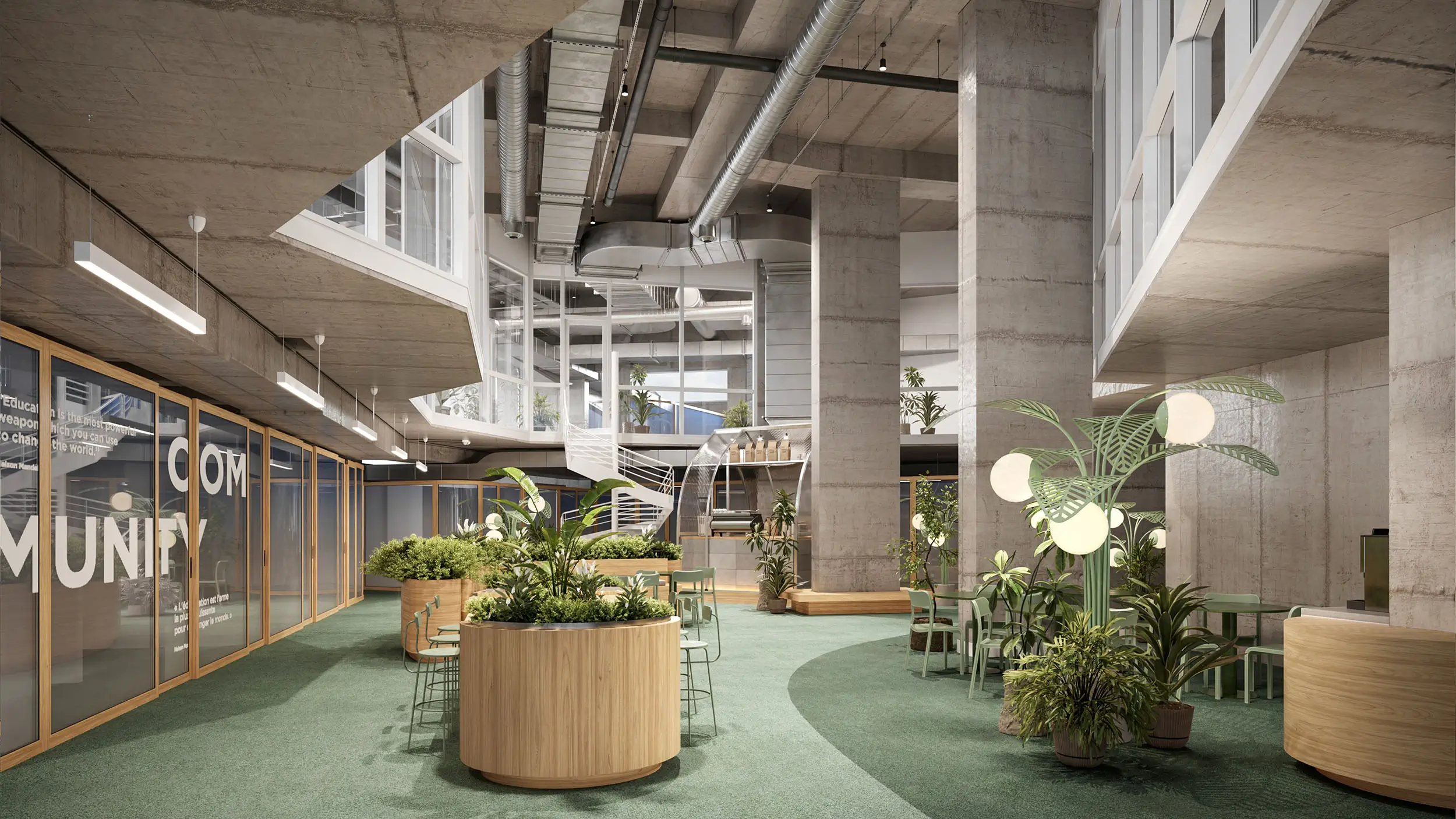
Office tenants focus on layout, flexibility, and daily flow. A strong office render highlights desk arrangements, meeting zones, and shared areas. It also shows lighting conditions and window access during work hours.
For larger offices, zoning matters. Renders should show quiet areas, collaborative zones, and circulation paths. Commercial 3D visualization in Chicago handles this in a single image. One render can explain what ten drawings cannot.
Retail interiors need a different read. The render should show aisle width, display zones, checkout placement, and how product areas feel during peak hours. Architectural rendering in Chicago for retail spaces often simulates specific lighting conditions to match the brand tone – warm and intimate for boutiques, bright and clear for grocery or pharmacy formats.
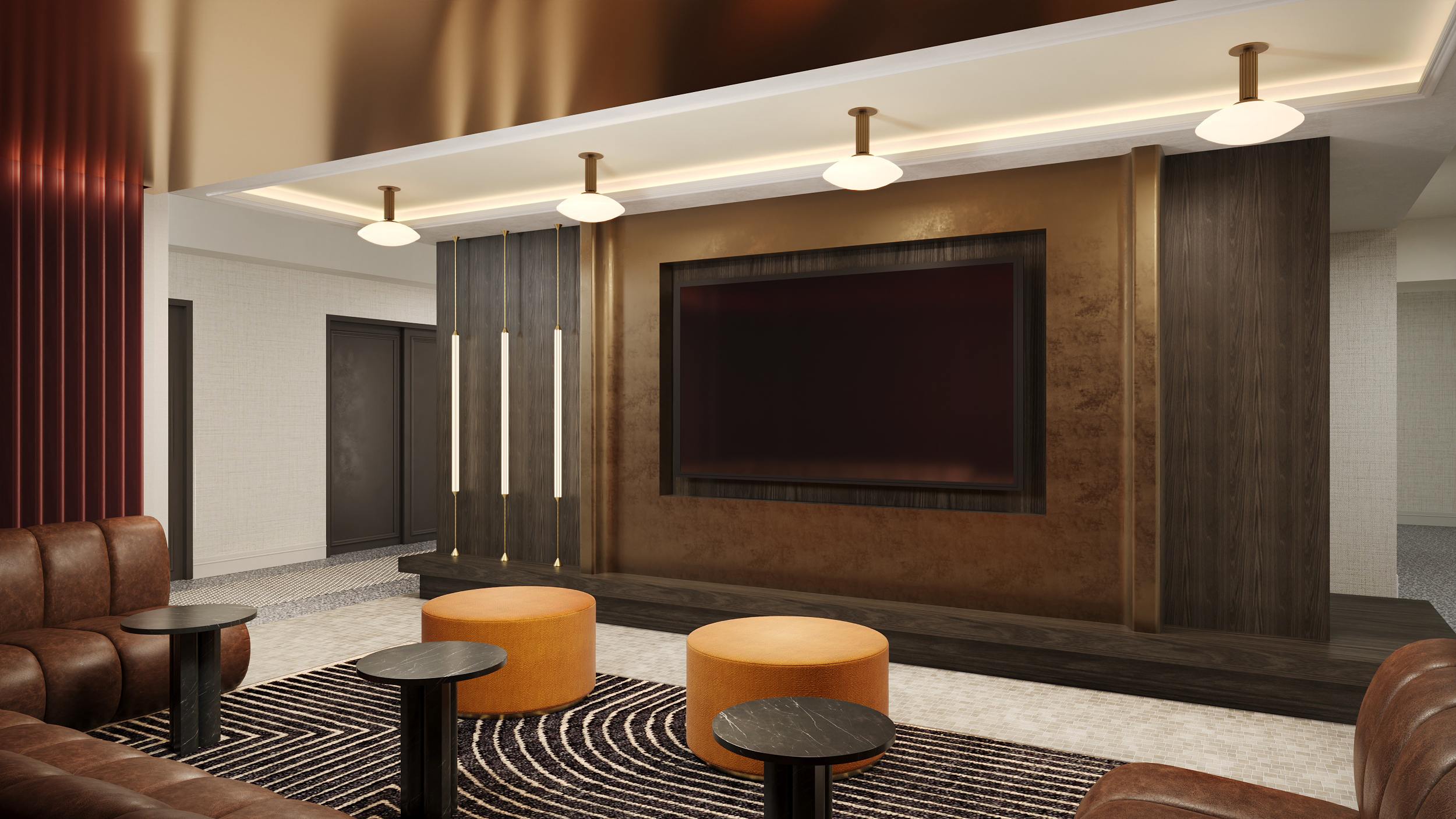
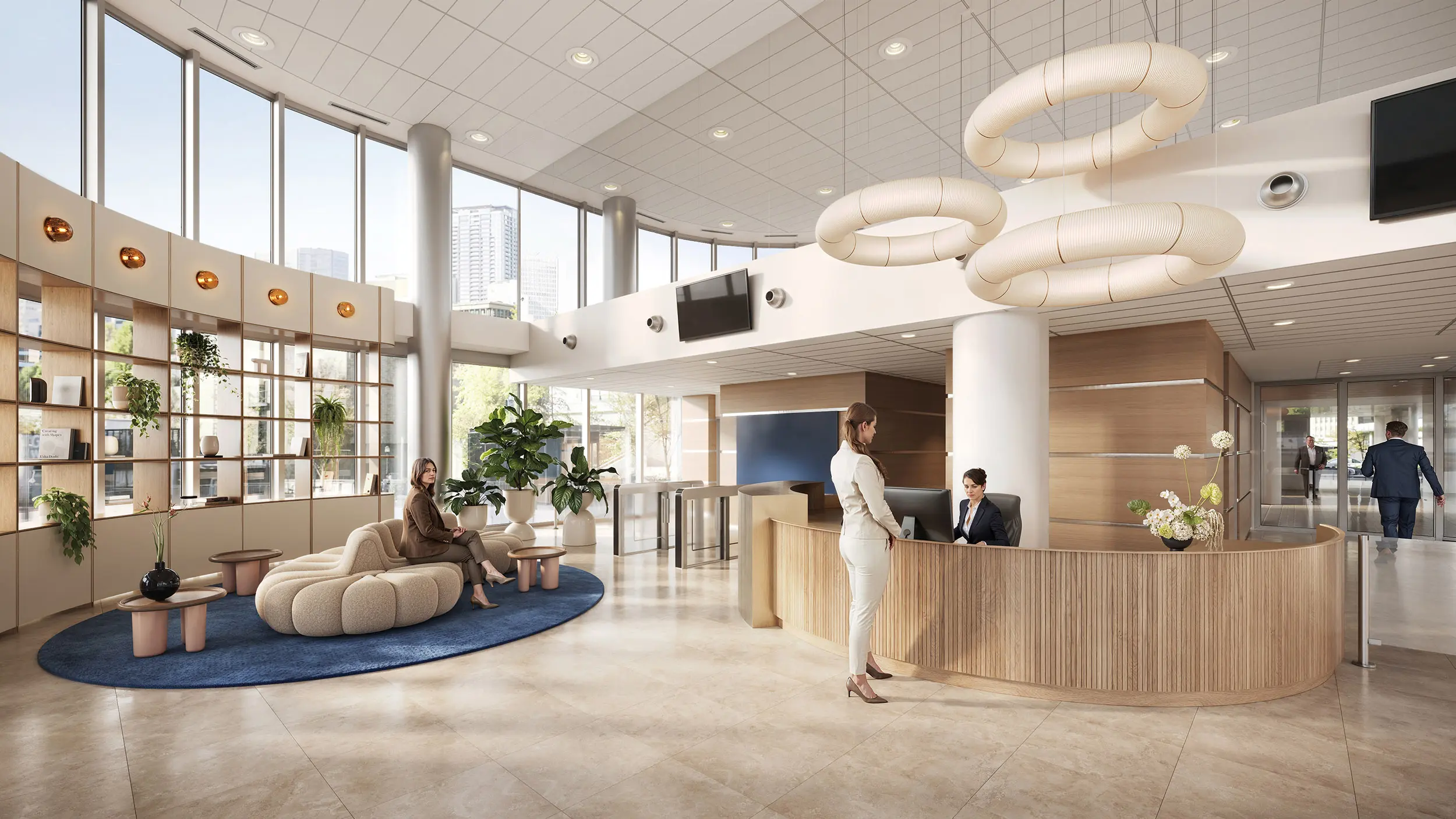
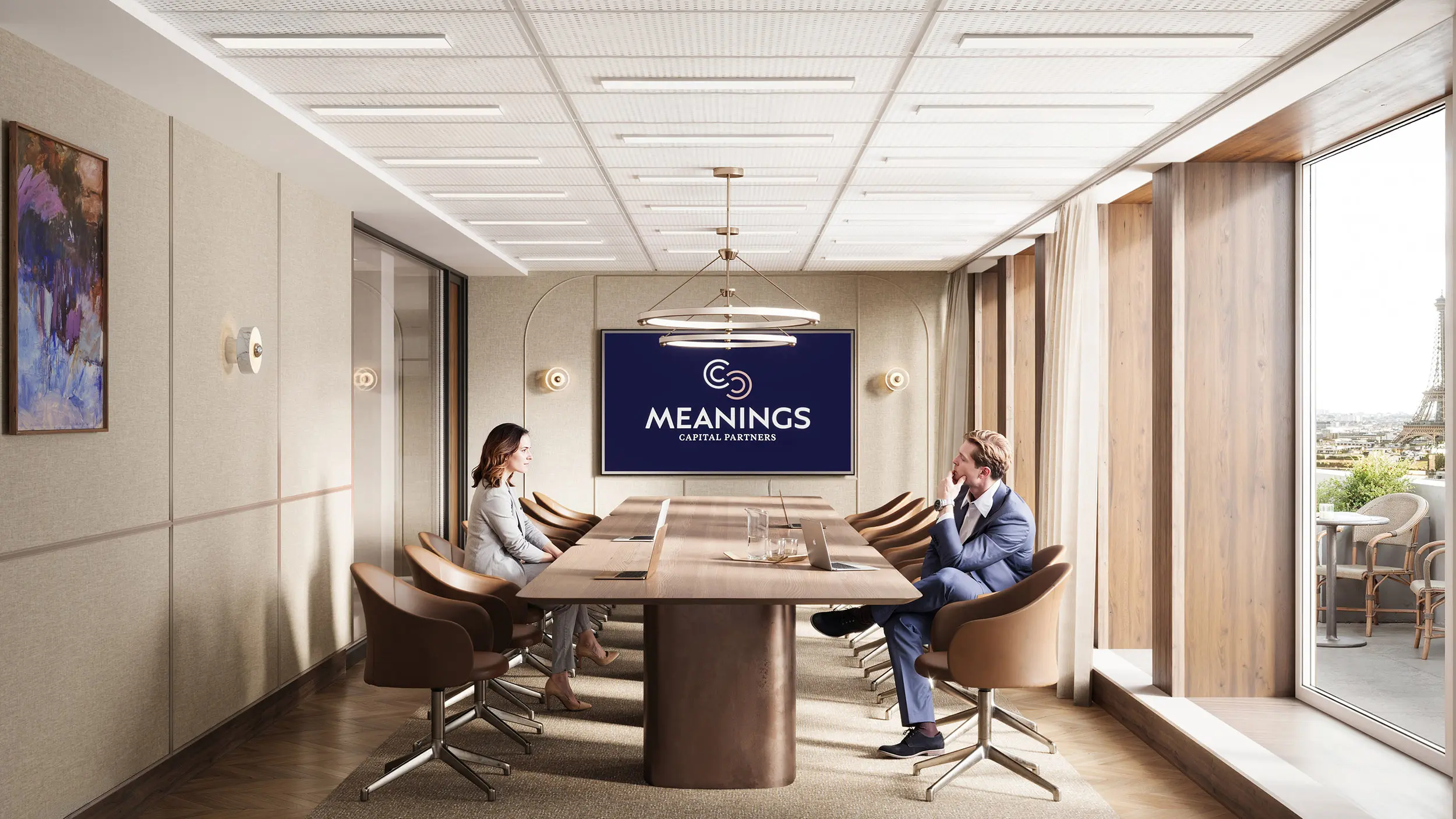
Hospitality interiors – hotel lobbies, restaurant dining rooms, rooftop bars – need atmosphere above everything else. The render has to make a viewer want to be in the room. Studio rendering in Chicago teams working on hospitality projects pay particular attention to the relationship between artificial lighting, materials, and the scale of the furniture.
FAQ: What Clients Ask Before Starting
How long does a project take?
A single interior render typically takes five to ten business days from approved drawings to final delivery, depending on complexity. Walkthroughs and animations take longer – usually two to four weeks. Archviz companies in Chicago that run structured workflows hit these timelines consistently.
What do I need to provide?
Architectural drawings or CAD files, material and finish specifications, furniture selections or references, and any brand or mood references that communicate the visual direction. The more specific the brief, the fewer revisions the project requires.
Can I search for 3D rendering near me and find a local studio?
Yes – and working with a local architectural visualization agency in Chicago has real advantages. Local studios understand Chicago building types, city light conditions, and the specific aesthetic expectations of different Chicago neighborhoods and property markets.
What’s the difference between a walkthrough and a virtual tour?
A 3D walkthrough service in Chicago delivers a pre-rendered video – a fixed cinematic sequence that moves through the space. A 360 virtual tour service in Chicago delivers an interactive experience where the viewer controls where they look from each point. Virtual reality services in Chicago go further, letting the viewer actually move through the space in real time.
Do you handle animation separately from stills?
Most studios treat 3D animation services in Chicago as a separate scope from still renders. The two workflows share the same 3D model, but animation requires additional time for camera movement, lighting consistency across frames, and post-production. It’s worth budgeting for both if the project needs a launch campaign.
Architectural rendering services in Illinois cover the full range of interior visual types – from a single still image to a full animation package. The right studio matches the scope to the project and delivers on time.
Summarize this article with the help of:
 ChatGPT
  Perplexity
  Claude
  Grok
Grok