




Thank you Freedes for creating this great render of our 1m2 space saving stair by EeStairs. Because it is difficult to take a picture in a small appartment the renders are a great way of showing our product. The style and design give the perfect finish to our pruduct. Great Job!
3D Product Modeling Services
Precise 3D product models built from CAD, drawings or samples, ready for rendering, AR and web configurators. Every color and finish from one model.
- 10+ Years Experience
- 500+ Projects Delivered
- Fast Turnaround
3D Product Modeling Portfolio
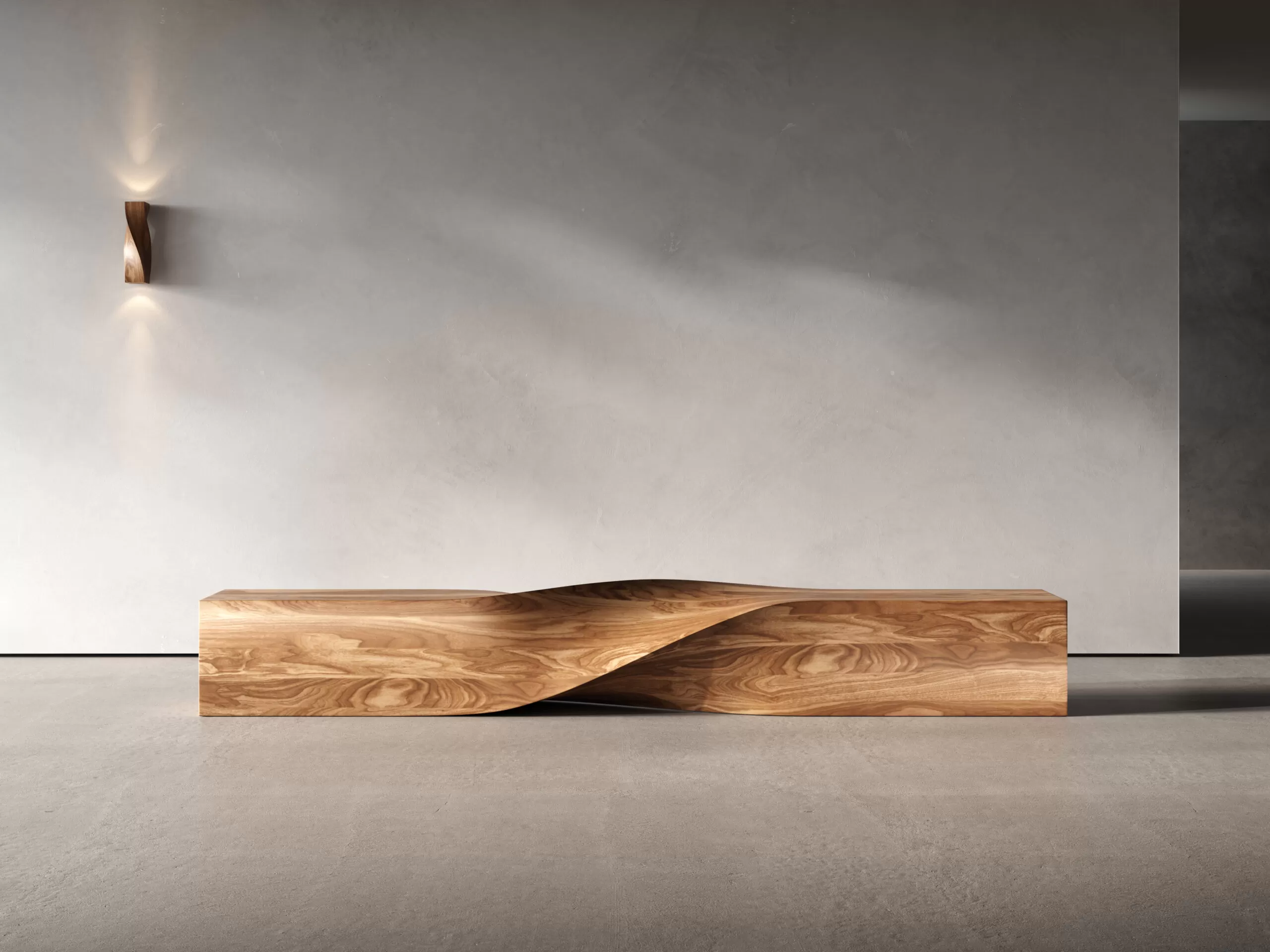
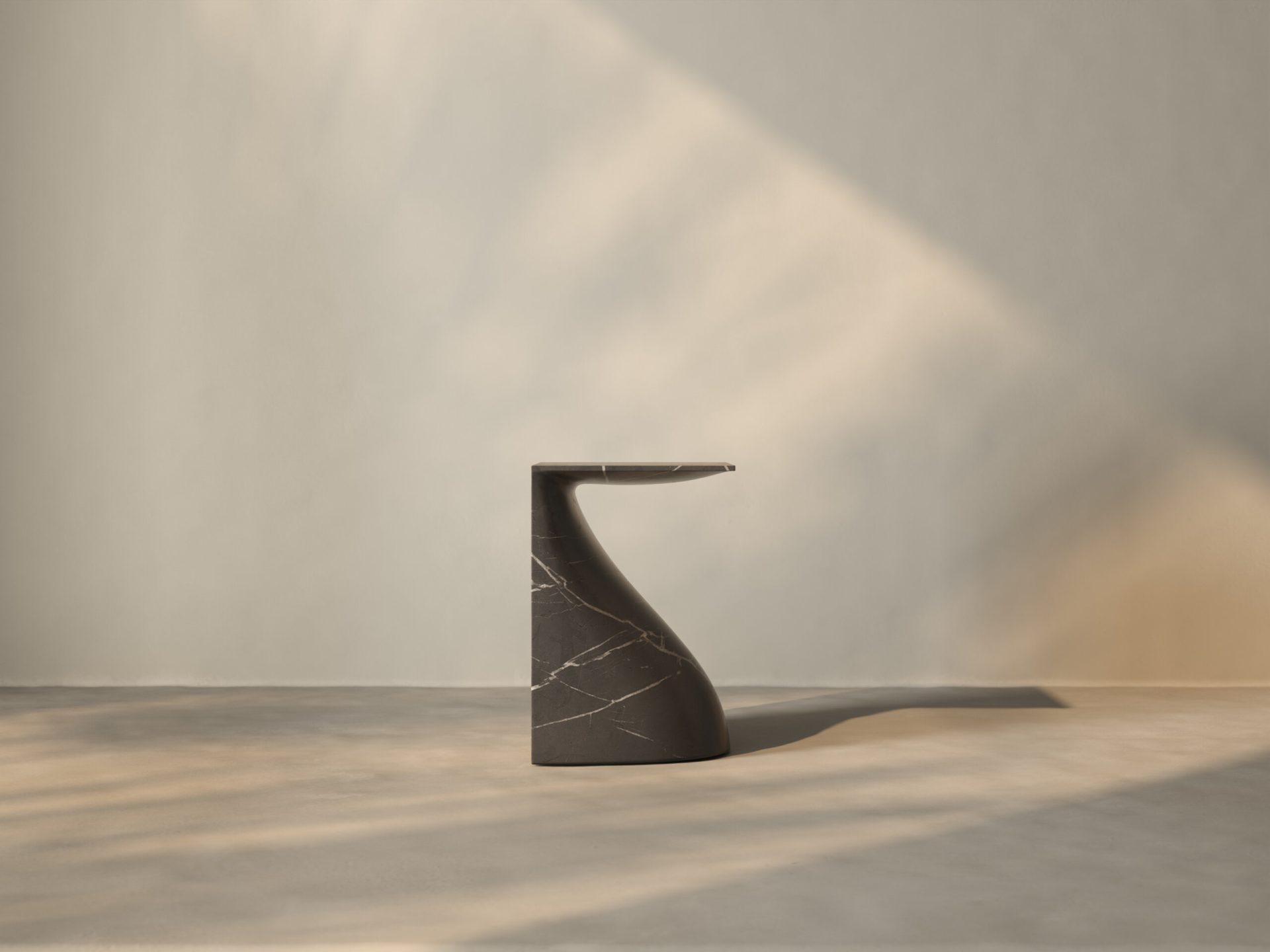
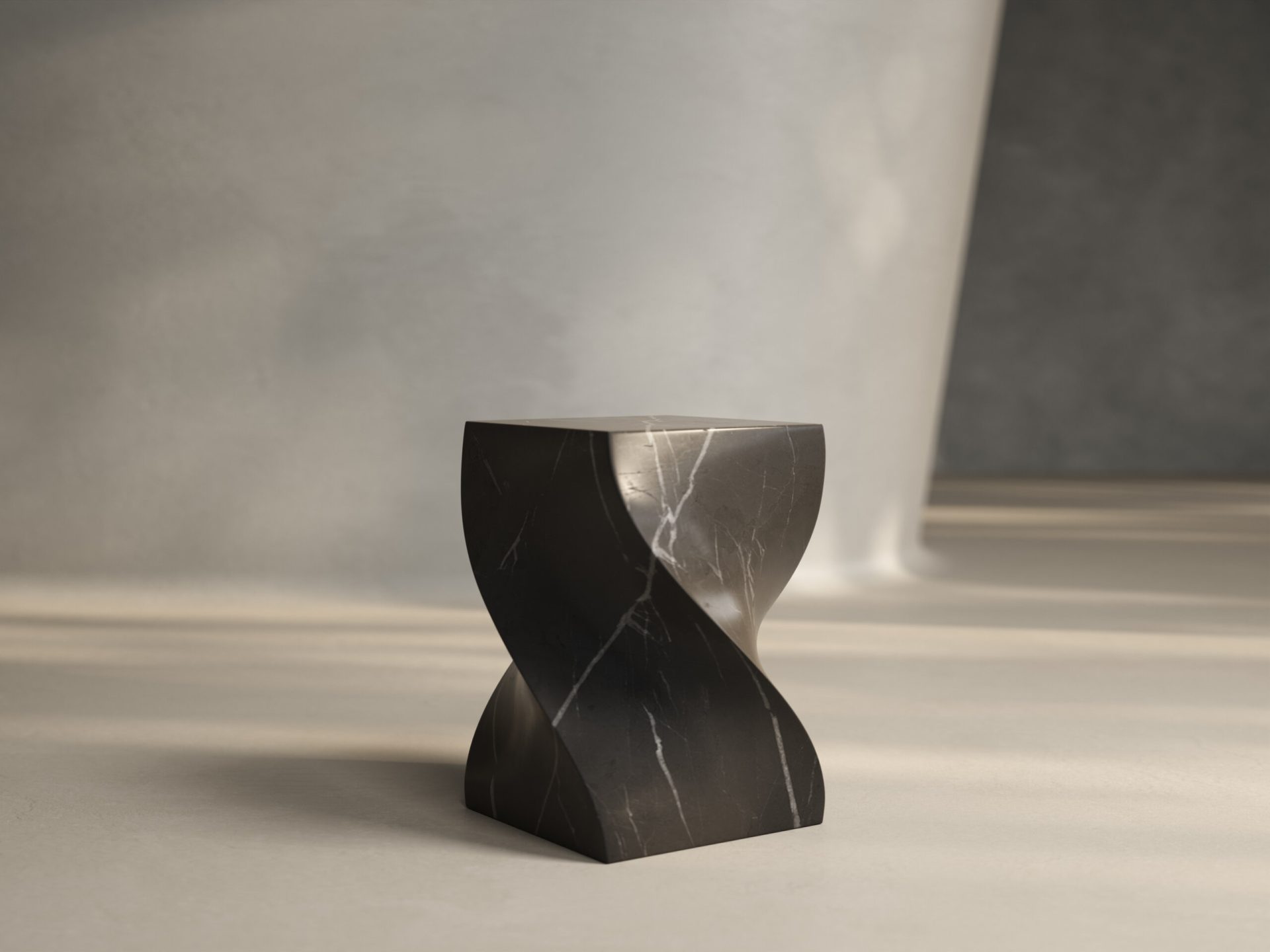
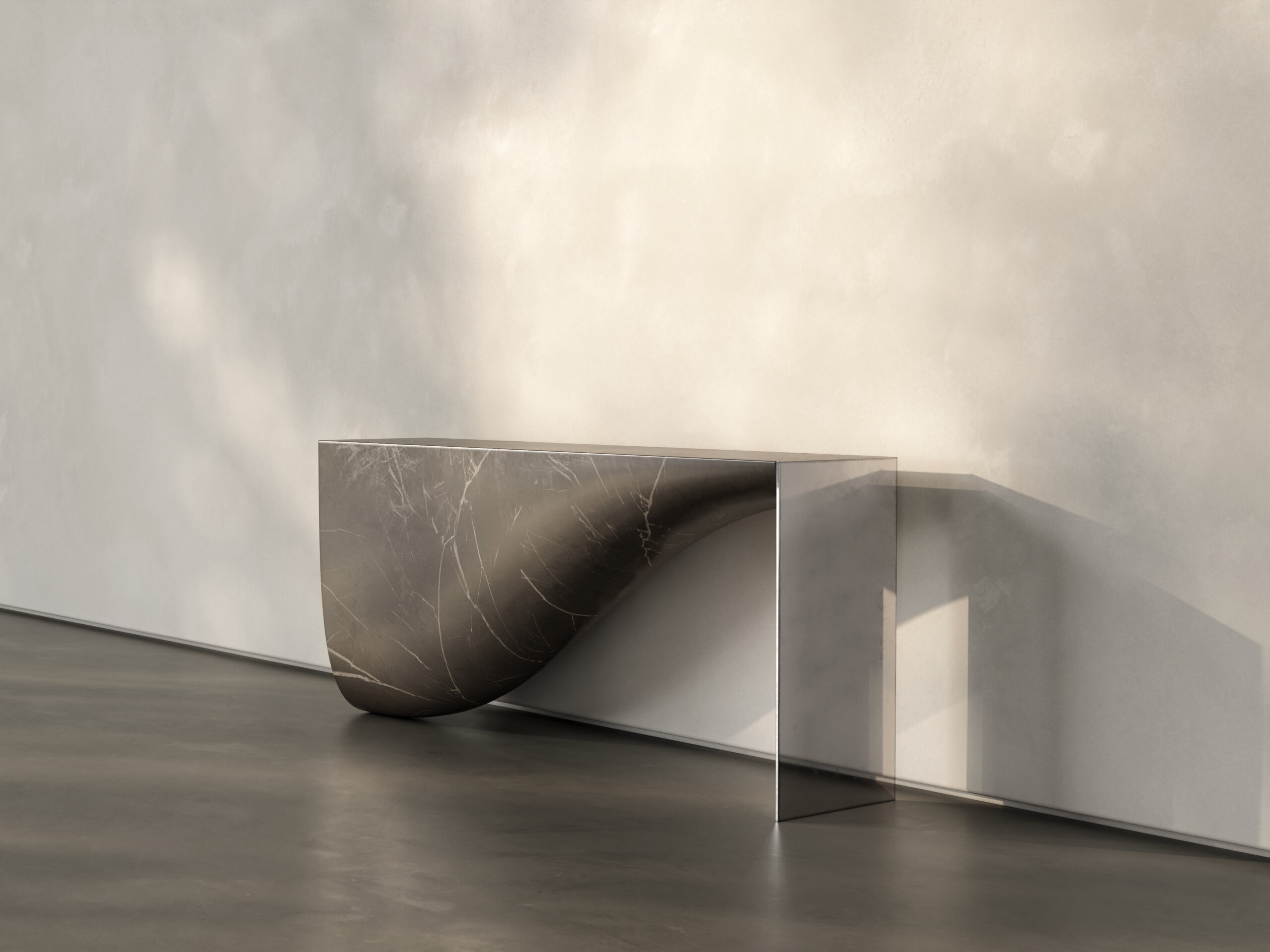
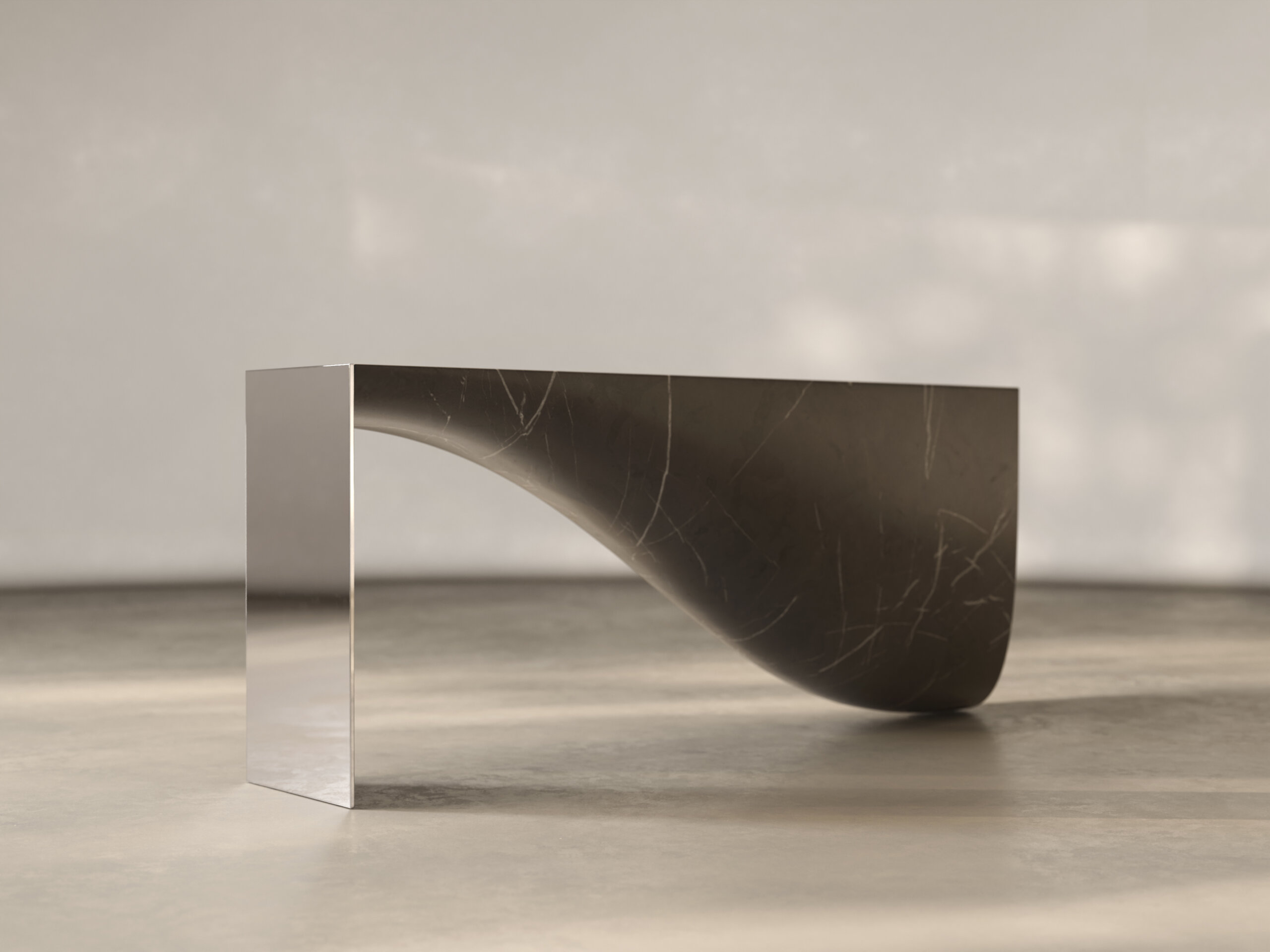
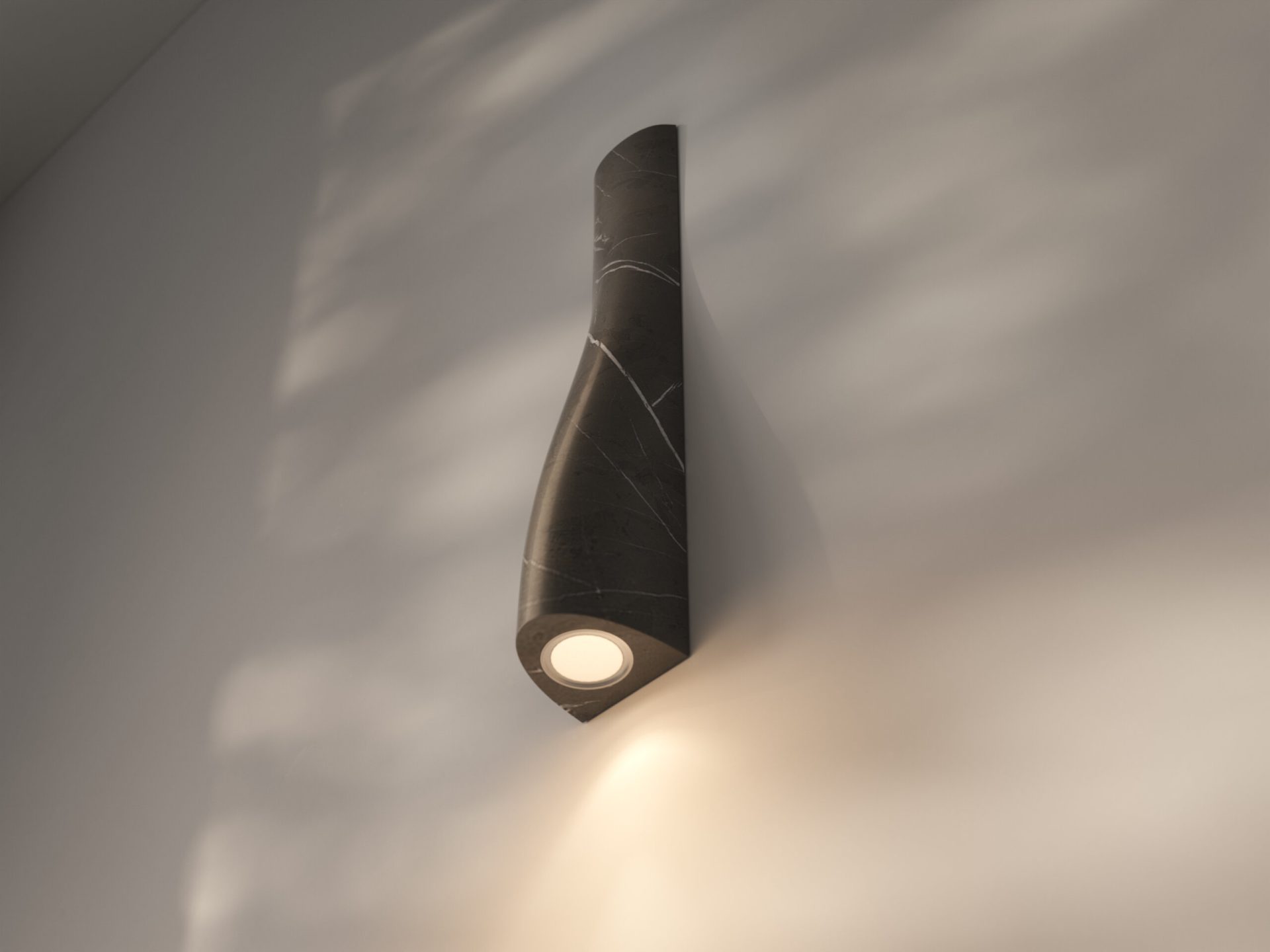
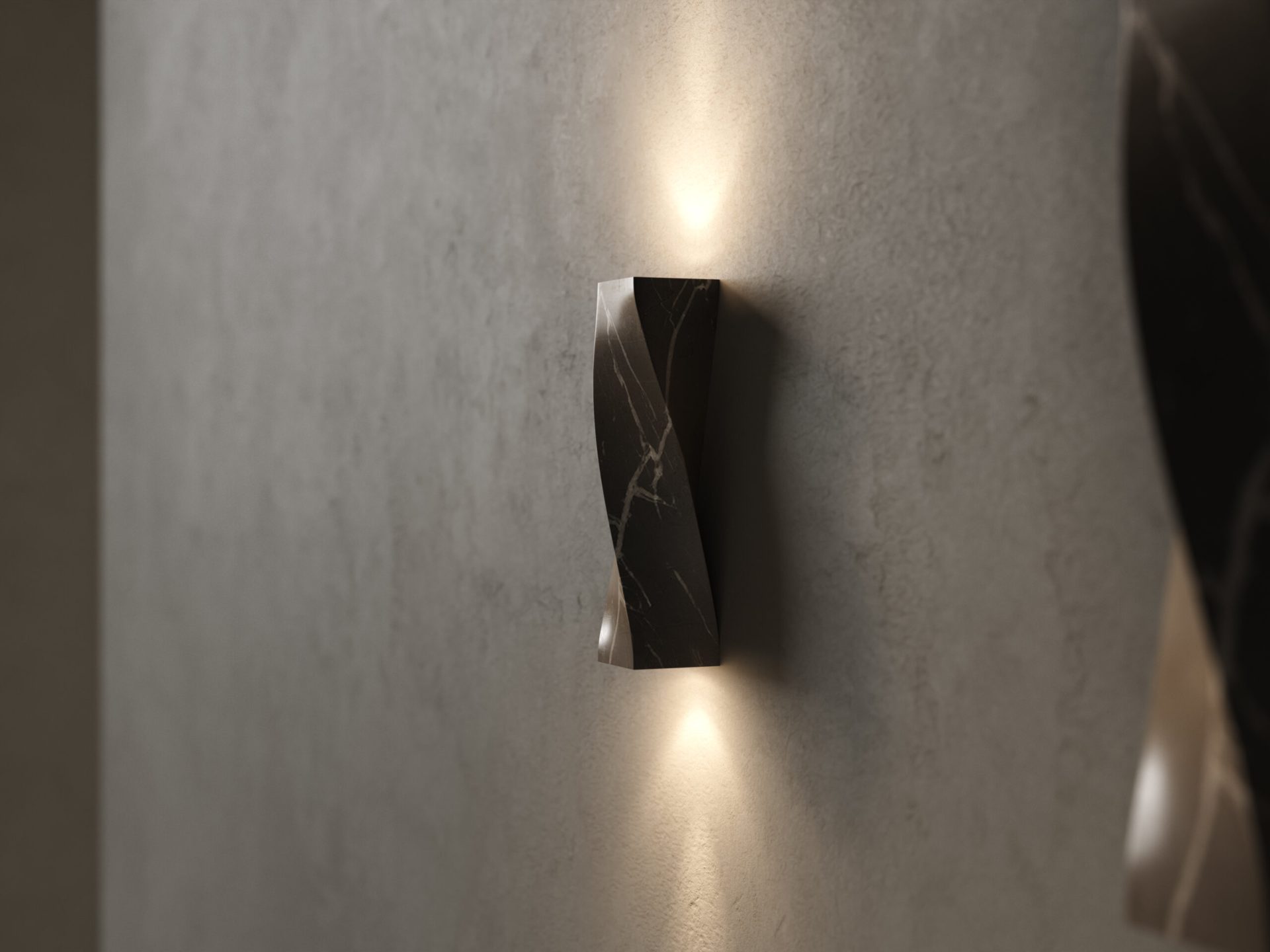
Product models from two designer collections: a pull-up table, consoles and wall sconces, built for catalog renders and web viewers with the wood, metal and glass modeled in detail.
Our Clients
What Is 3D Product Modeling?
3D product modeling turns a product that exists as drawings, a CAD assembly or a physical sample into a digital model that can be rendered, spun in a web viewer, placed in a room through AR, or handed to a configurator. The model holds the exact geometry, the materials and every color and finish the product comes in. Once it exists, the product can be shown anywhere without being photographed, and changed without being remanufactured.
This page is about the model. If you need finished images of the product, the same team produces them on the 3D product rendering page, and a model built here goes straight into that work. Furniture is a category of its own with its own page, 3D furniture modeling; here we cover the rest of the home and living range: lighting, plumbing fixtures, fireplaces and radiators, hardware, decor and packaging.
Product work has been part of the studio since 2010; the same artists model the lighting, fixtures and hardware that appear in the developer interiors we render, and brands in the United States and Europe order those assets directly.
Who We Build Models For
Manufacturers and brands. A product line that sells online needs the same asset in several places: a 3D viewer on the product page, an AR button so the customer can see the pendant light over their own table, a configurator for finishes, and renders for the catalog and the marketplaces. One model per product serves all of them. Most of our 3D product modeling services go to brands that are launching or re-photographing a range and want the visuals to come from a source they control.
E-commerce teams and marketplaces. Stores and platforms that list products from many suppliers need models built to one technical standard, so viewers, AR and image generation behave the same across the catalog. We model to the platform’s specification, whether it is a marketplace 3D program or an in-house viewer, and deliver in its format and polygon budget.
Product design studios. A design in development, modeled from sketches or early CAD so it can be presented, tested in a rendered environment and shown to buyers before tooling. When the design changes, the model changes with it; nothing is reshot.
What the Model Covers
- Geometry from your source. Built from CAD exports such as STEP or IGES, from technical drawings with dimensions, or from a sample and a set of photographs. CAD is converted into clean, render-ready geometry rather than used raw, so edges, fillets and threads look right up close.
- Mechanical and technical detail. Hinges, seams, vents, fasteners, control panels and connectors are modeled where the customer will see them, and simplified where they will not.
- Light where the product makes it. For lighting and fixtures, the emitting surfaces are set up so the sconce or the pendant actually glows in the render and the viewer.
- Materials from your specification. Brushed and polished metals, glass, ceramic, powder coat, plastics, fabric and wood, set up as physical materials that behave the same in a renderer and in a browser.
- Variants and exploded views. Colors, finishes and sizes configured on the master; exploded and cutaway versions on request for manuals, investor decks and patent filings.
- Two versions where needed. A high-detail version for rendering and a reduced one for web and AR, with textures baked down and the polygon count inside the platform’s limit.
Formats and Delivery
The master lives in 3ds Max with Corona materials, because that is where our renders are made. Exports depend on where the model is going: FBX or OBJ when your own team renders or animates it, GLB for browser viewers and Android AR, USDZ for iPhone AR, each with its textures in the package. Files carry the product name and the variant in the filename, and a one-page note covers scale, orientation and how the material slots are named.
When the renders are ours as well, the model is billed once and reused for packshots, lifestyle scenes and spins.
From Source File to Delivery
1. Source files and specification. You send the CAD export or drawings, photographs of the sample if there is one, the finish and color list, and the intended uses: render, AR, viewer, configurator. We confirm the level of detail, the formats, the price per product and the schedule.
2. Geometry review in gray. You receive the bare model as gray images from the angles that matter, with the main dimensions written on them and every interpreted detail flagged. Fixing geometry at this point takes minutes.
3. Materials and variants. Finishes are applied from your specification, lighting products get their emitting surfaces, and the finish list is configured as variants. A color preview shows the product in its main finishes before export.
4. Export and check. Before delivery the model is opened in the target viewer or renderer to confirm scale, orientation and material behavior, then exported to the agreed formats. Two rounds of revisions are part of every product.
3D Product Modeling Cost
Modeling is quoted per product. The published starting point in our 3D rendering cost guide is $300 per piece, and product work follows the same logic: a smooth ceramic vase costs less than a faucet with a cartridge, a spray head and three finishes, because the modeling time can differ several times over. Adding finishes and colors to a model that already exists costs a small share of the first one.
| Item | Price |
|---|---|
| Render-ready model of one product | from $300 |
| Each additional finish, color or size on that model | small share of the base price, priced per range |
| GLB / USDZ package for web and AR from an existing model | priced per product |
| Images from the model (packshots, lifestyle scenes, spins) | product rendering, from $100 per image |
The price goes up with geometry (a faucet with internal parts, a lamp with a woven cord), with the number of finishes, with emitting surfaces on lighting, and when a web-optimized version is needed on top of the full one. Send the CAD or drawings, the finish list and the product count; a per-product price and a schedule come back within 24 hours.
Why Brands Model With Freedes
- A rendering team builds the models. The people who light and render product images build the assets, so a model is made for the way it will be seen: clean topology where the camera gets close, nothing wasted where it does not.
- CAD rebuilt for rendering. Engineering geometry is rebuilt into render-ready meshes with correct edges and materials, which is what a viewer or a renderer needs.
- Finishes handled as a range. Every color and size is configured on the master and named to your SKU list, so a new finish is an update rather than a new order.
- In-house since 2010. Product modeling sits beside the architectural side of the business, with the same people from one project to the next, which is why a manufacturer’s second range arrives with nothing left to explain.
- Confidential until launch. A product in development does not appear in our portfolio until you release it, and a signed NDA is available before any file changes hands.
 Next
3D Product Rendering Services
Next
3D Product Rendering Services
What Our Clients Say
-
-
The finished renders were spectacular and done well within our deadline as promised by Freedes.
Clutch View on Clutch -
Read more Show less
Freedes Studio has been fantastic to work with, especially Aelita. In a relatively short amount of time, I've already trusted them with several new construction projects, and the experience has been excellent. The turnaround time is consistently quick, the quality of the renderings is great and their attention to detail really stands out. Whenever I have comments or revisions, they are addressed quickly and thoughtfully, which makes the entire process very easy and efficient. As I continue to grow my company and brand as a home builder, Freedes Studio has been a great partner in helping me shape the visual identity of our homes and how I want our brand to be presented to the market. I truly appreciate Aelita and the entire Freedes Studio team for their continued help, responsiveness, and support. I look forward to working together on many more projects.
3D Product Modeling FAQ
What is 3D product modeling?
Turning a product that exists as CAD, drawings, photographs or a physical sample into a digital model with its geometry, materials and finish variants, so it can be rendered, viewed in 3D, placed through AR or configured online.
What is the model used for?
Product renders and catalog images, 3D viewers and AR on product pages and marketplaces, finish configurators, animations, exploded views for manuals and investor decks, and presentations of a design before it is manufactured.
What do I need to provide?
Ideally a CAD export (STEP or IGES) and the finish list with references; failing that, dimensioned drawings and photographs of the sample. For a concept still in development, sketches with rough dimensions are enough to start.
Can you model a product from photographs?
Usually, yes. From photographs and measurements we rebuild the geometry, and the gray-model review shows you exactly which details were interpreted rather than measured. CAD makes the job faster and removes that step.
How detailed is the model?
It depends on what it is for. The rendering version keeps fasteners, seams, vents and controls; the web and AR version is reduced to the platform’s polygon limit without losing the silhouette or the materials.
Can one model be used for different finishes and colors?
Yes. Every finish and color is a variant on the same master, named to your SKU list; adding one later is a small job rather than a new model order.
Which formats do you deliver?
The 3ds Max scene with Corona materials, plus FBX or OBJ for other software and GLB or USDZ for browsers and AR. Textures come in the package.
How long does it take?
A few business days for a simple product; more for complex products and full ranges. The quote includes the schedule for everything you send.
How much does 3D product modeling cost?
From $300 for one product; additional finishes and sizes on the same model cost a small share of that. Geometry, materials and required detail set the final figure, quoted per product.
Do you also do the rendering?
Yes. The same team renders packshots, lifestyle scenes and 360° spins from the model, and a 3D product modeling company that also renders means one asset, one point of contact and no re-modeling by a second vendor.