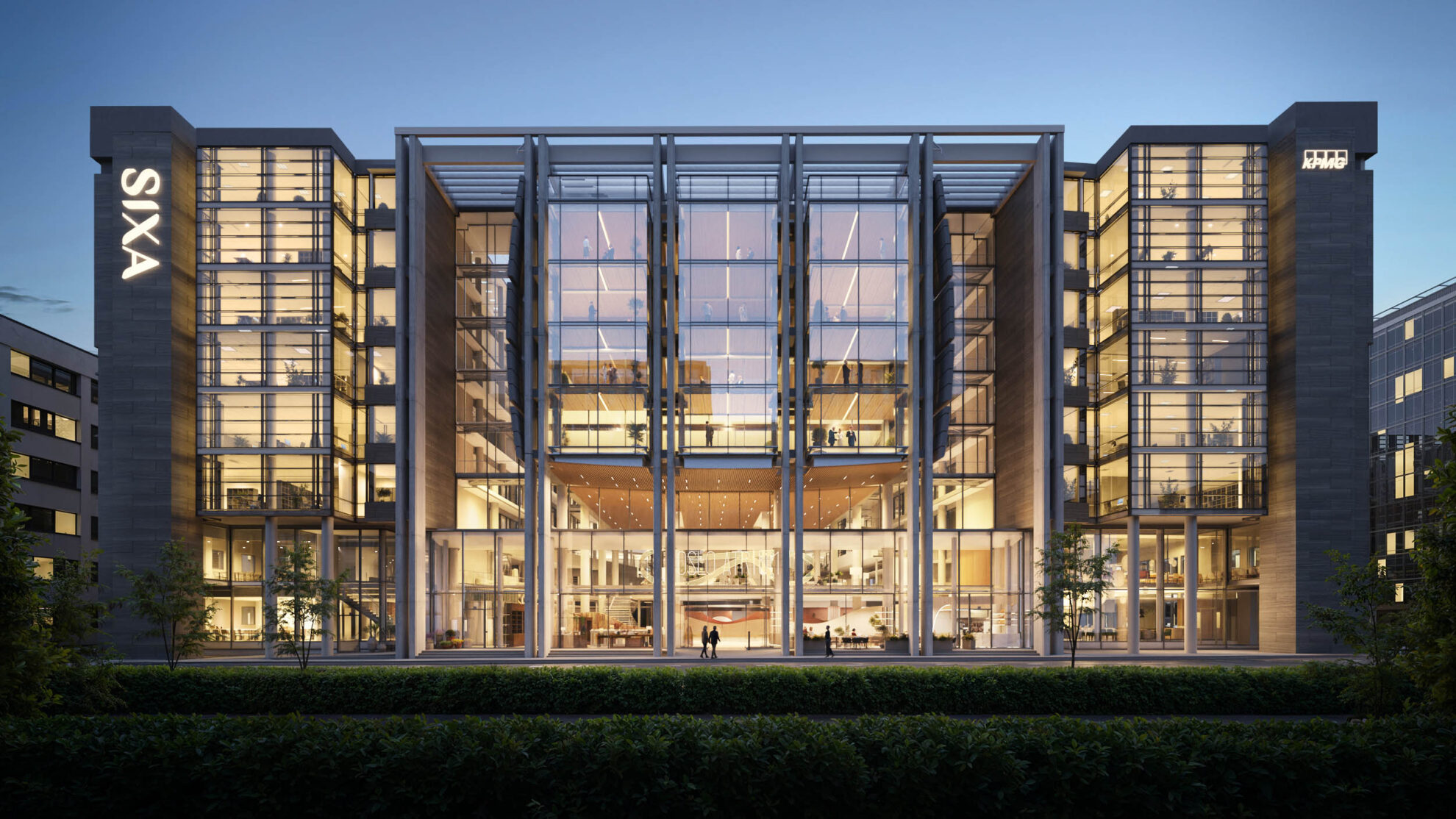
Best 3D Rendering Companies in 2026
The Demand for 3D rendering continues to grow. In recent years, the use of 3D rendering has exploded across many industries.
The short answer
Last reviewed in September 2026.
There is no single best 3D rendering company, and no best 3D visualization company either, because studios are not interchangeable. A practice presenting a museum competition, a developer launching 300 apartments, and a manufacturer shooting a product catalog all need different things from a rendering studio: different craft, different speed, different price, different way of working.
So this guide sorts fourteen 3D rendering companies into four groups by the job they do best, updated for 2026:
- Signature architectural imagery — MIR, Brick Visual, Luxigon, Beauty & The Bit. When the image is part of the architectural argument.
- Developer and real-estate marketing — DBOX, Binyan Studios, Neoscape, Hayes Davidson. When images have to sell units or win a planning decision.
- Volume and deadlines — Freedes Studio, Bloomimages. When you need a consistent series delivered on a schedule.
- Product, motion and styling — BetterThan Studio, ZOA Studio, Gabriel Saunders, xoio. When the deliverable moves, or the subject is an object rather than a building.
Disclosure: two studios on this list are ours. Freedes Studio, which publishes this guide, appears in the third group; BetterThan Studio, in the fourth, is part of the same group of companies. Both entries follow the same format as the rest, and both say where another studio here is the better call.
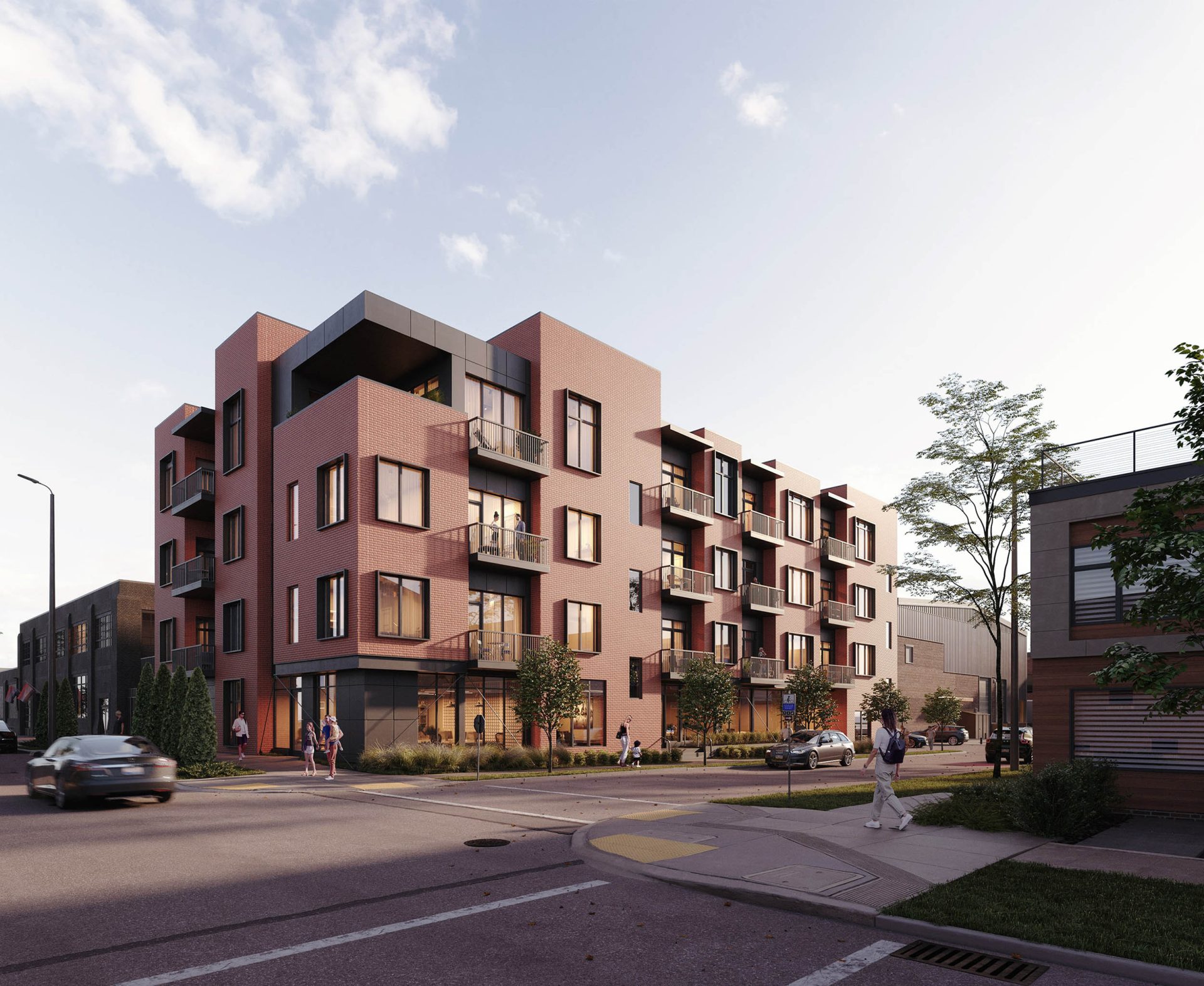
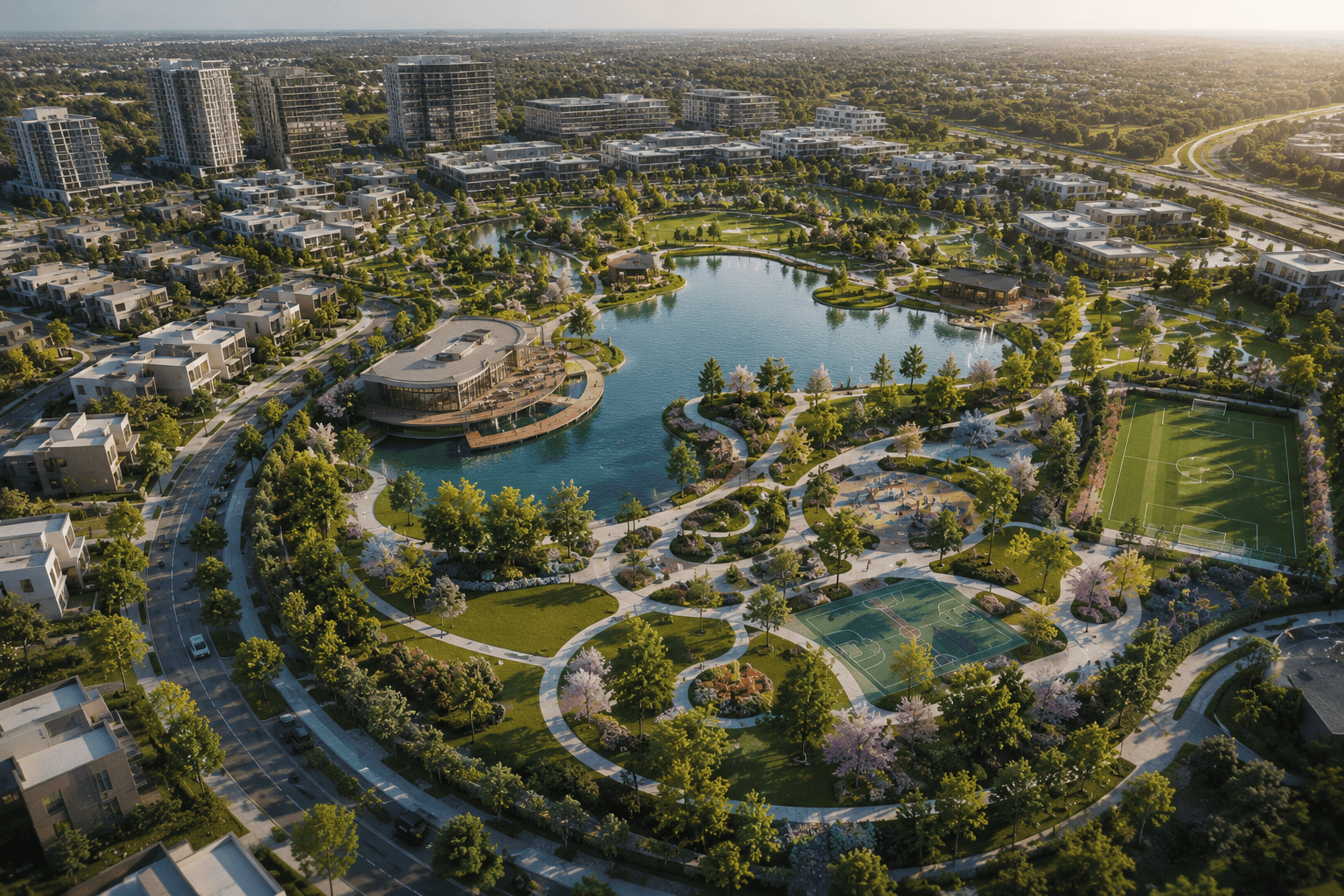
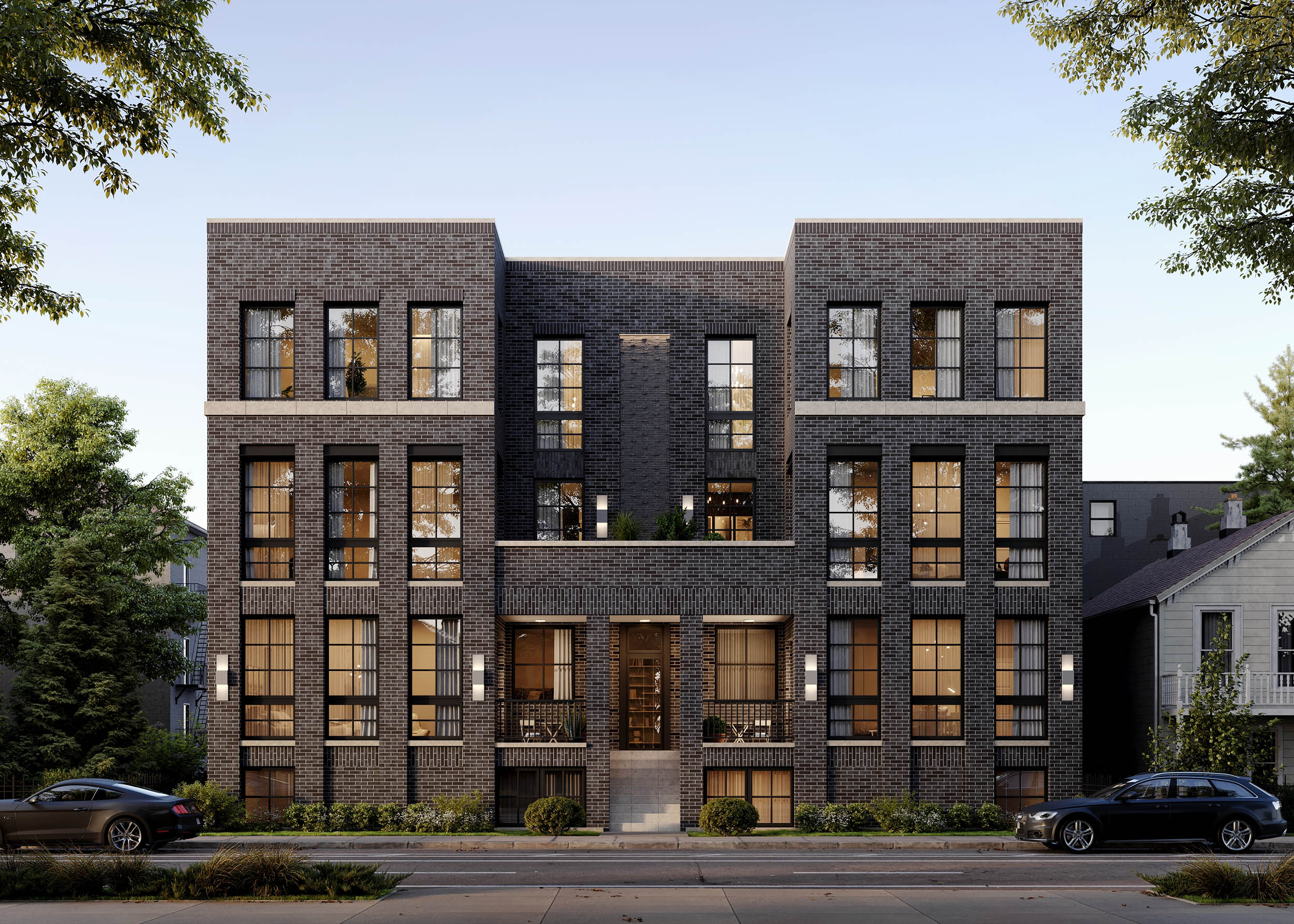
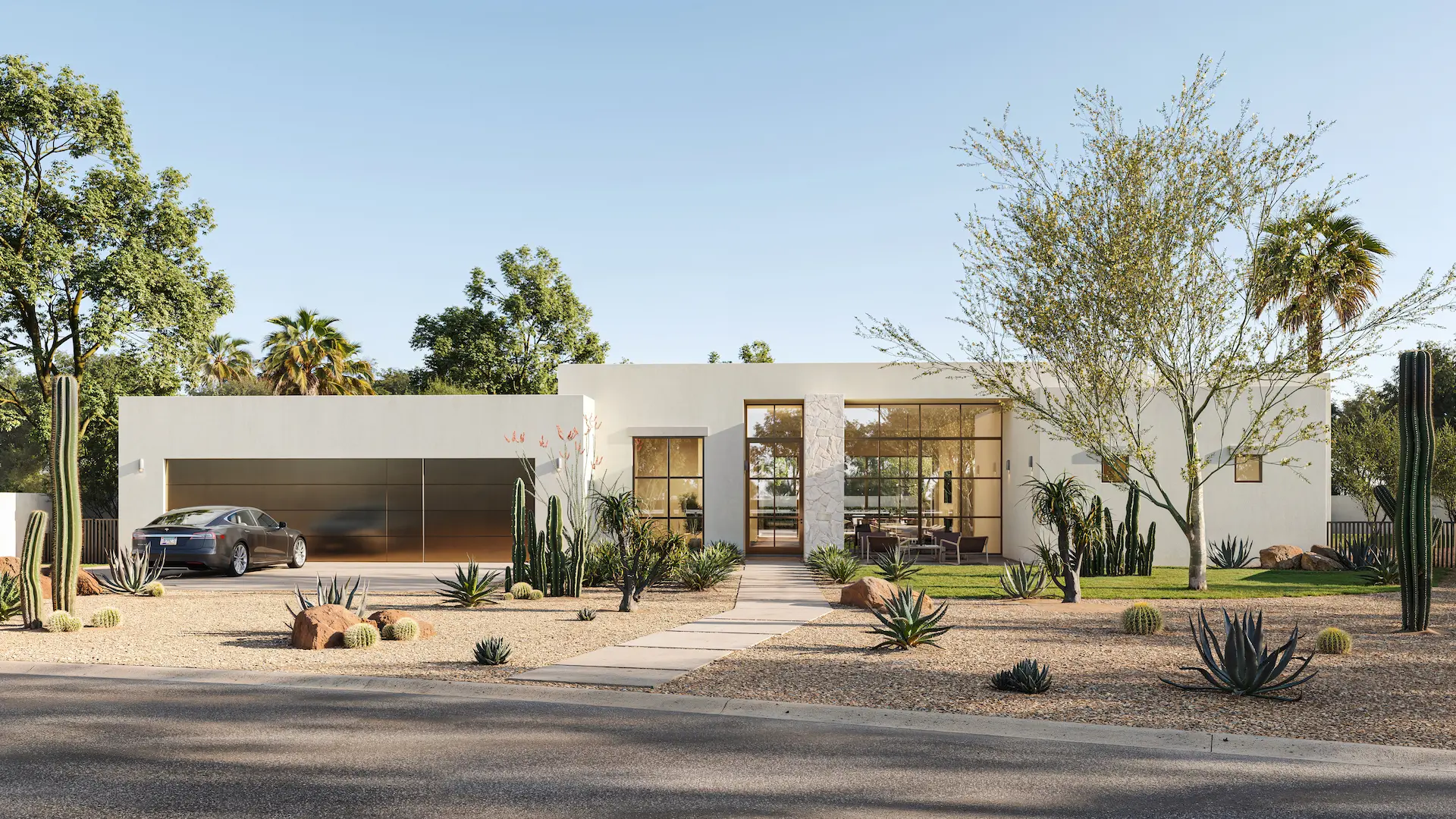
All images on this page are work by Freedes Studio. The other studios listed are represented by their own portfolios, linked from each entry.
How we chose
Every rendering studio here was assessed on five things we can verify, and that you can verify too before signing:
- Published work, not promises. A public portfolio of recognizable, named projects — buildings you can look up, clients you can call.
- A body of work rather than a marketing footprint. Every studio below is known for what it has built, not for how loudly it advertises. That is the most useful filter in this industry, and it deliberately excludes the large outsourcing operations whose visibility comes from content volume rather than from a portfolio of named projects.
- Continuity. Years in operation and an identifiable team, rather than a rotating pool of freelancers behind a brand name.
- A stated specialty. Studios that do one thing very well beat studios that claim everything.
- A working website and a contactable team. Sounds trivial. It is not: two studios that appeared in the previous edition of this guide have since gone dark, and one of them lost its domain to a gambling site.
What we deliberately did not rank: raw price. The cheapest quote and the most expensive quote in this industry can differ by a factor of ten for the same brief, and neither number tells you anything on its own. Our breakdown of how much 3D rendering costs explains what drives that spread.
Comparison table
| Studio | Based in | Best for | Typical client | How they work |
|---|---|---|---|---|
| Signature architectural imagery | ||||
| MIR | Bergen, Norway | Competition and cultural projects | Architects | Selective, project-based |
| Brick Visual | Budapest, Hungary | Competition imagery with defined scope | Architects | Per-image pricing |
| Luxigon | Paris, Los Angeles, Milan | Graphic, stylized architectural images | Architects | Project-based |
| Beauty & The Bit | Madrid, Spain | Atmospheric stills and film | Architects, cultural clients | Project-based |
| Developer and real-estate marketing | ||||
| DBOX | New York, London | Full marketing campaigns | Large developers | Brand plus visualization |
| Binyan Studios | Sydney, New York, London | Sales-suite imagery | Developers | Campaign-based |
| Neoscape | Boston, USA | Branding and visualization together | Developers, institutions | Agency model |
| Hayes Davidson | London, UK | Planning and consultation imagery | Developers, architects | Consultancy-led |
| Volume and deadlines | ||||
| Freedes Studio | USA, offices in Los Angeles and London | Exterior, interior and animation series | Developers, architects, brands | In-house team, fixed quotes |
| Bloomimages | Hamburg, Berlin, New York | Large corporate and institutional sets | Developers, corporates | Studio teams per project |
| Product, motion and styling | ||||
| BetterThan Studio | USA and UK | Furniture, packshots, 360° spins | Furniture brands, e-commerce | Per-asset, 24-hour quotes |
| ZOA Studio | Budapest, Hungary | Architectural animation and film | Architects, developers | Project-based |
| Gabriel Saunders | Melbourne, Australia | Styled interiors, motion, immersive | Architects, designers, brands | Studio-led, project-based |
| xoio | Berlin, Germany | Architecture plus product visualization | Architects, manufacturers | Project-based |
Signature architectural imagery
These studios are hired when the image carries the idea, not just the finish. Expect longer lead times, a selective intake, and prices that reflect authorship rather than production.
MIR
Best for: competition entries and cultural buildings where the drawing has to convey a feeling.
Based in: Bergen, Norway.
MIR is the name that comes up first in almost any conversation about architectural imagery as a discipline. Their work on museums, opera houses and transit projects reads less like a marketing asset and more like architectural documentation with weather in it. Architects come to MIR when a jury has to believe in a place that does not exist yet.
The tradeoff is access. A studio of this profile takes on a limited number of projects and does not compete on turnaround. If your deadline is measured in days, this is the wrong door.
Brick Visual
Best for: competition imagery when you need a defined number of images at a defined price.
Based in: Budapest, Hungary.
Brick Visual sits at the premium end but works in a way that is unusually easy for architects to budget: pricing per image rather than a negotiated project scope. For a practice that needs four visuals for a pitch and has to put a number in a fee proposal next week, that structure matters as much as the craft does.
Luxigon
Best for: images with a graphic point of view, where a photoreal render would say less.
Based in: Paris, with offices in Los Angeles and Milan.
Luxigon is the counterargument to photorealism. The studio built its reputation on stylized, deliberately composed images — closer to illustration than to a simulated photograph — and works with architects who want the drawing to have an attitude. If your project needs to look like nothing else on the shortlist, this is where you go.
Beauty & The Bit
Best for: atmospheric stills and short architectural films.
Based in: Madrid, Spain.
Beauty & The Bit works in light and mood: interiors that feel inhabited, exteriors caught at a particular hour rather than at noon. The studio moves comfortably between stills and film, which matters when a competition submission needs both and you would rather not brief two teams.
Developer and real-estate marketing
Here the brief changes, and so does the type of firm you are hiring: these are as much marketing agencies as visualization studios. The image is a sales instrument, it lives inside a wider campaign, and the studio is often expected to think about brand, print and sales-suite media as well as CGI.
DBOX
Best for: flagship developments where visualization and brand strategy are one commission.
Based in: New York and London, working since the mid-1990s.
DBOX is behind some of the most recognizable luxury real-estate campaigns in New York and London. What you are buying is not a set of renderings but a marketing position: identity, imagery, film and print built as one system. Budgets match that scope.
Binyan Studios
Best for: sales-suite imagery for marquee residential projects.
Based in: Sydney, with offices in New York and London. Founded in 2007.
Binyan works where conversion is measurable: the images go on the wall of a display suite and into the brochure that closes a sale. The studio is a regular presence on large residential launches in Sydney, New York and London.
Neoscape
Best for: institutional and developer clients who want branding and visualization from one team.
Based in: Boston, USA. Founded in 1995 — one of the oldest studios still operating in this field.
Neoscape runs closer to an agency than a render shop: strategy, naming, film and interactive work alongside stills. Thirty years of continuity is itself a form of evidence in an industry where studios appear and vanish inside a single cycle.
Hayes Davidson
Best for: planning applications, public consultation and anything that will be scrutinized.
Based in: London, UK. Working since the early 1990s, when the discipline barely existed.
Hayes Davidson helped invent architectural visualization in the UK and still occupies a specific niche: images that have to survive a planning committee, a consultation exhibition or a press cycle. Verified views, accurate context, defensible methodology. For a contested city-center site, that is a different product from a beautiful render.
Volume and deadlines
Most commissioned work at a 3D visualization studio is not a competition entry or a national campaign. It is fifteen exteriors, eight interiors and a ninety-second animation, due before a launch date. That is what this group is built for.
Freedes Studio
Best for: consistent series of exteriors, interiors and animation on a fixed schedule.
Based in: United States, with representative offices in Los Angeles and London. Founded in 2010; in-house team of 30+ CGI artists.
Freedes is a 3D rendering studio for real estate; we work with developers, architects and brands on projects where the deliverable is a package rather than a single hero image: exterior visualization, interior visualization, architectural animation, virtual staging and floor plans, quoted as a fixed price before the project starts. Clients have included The Altman Brothers, CBRE, Douglas Elliman and Mavrek Development, and the studio has delivered work in more than 30 countries.
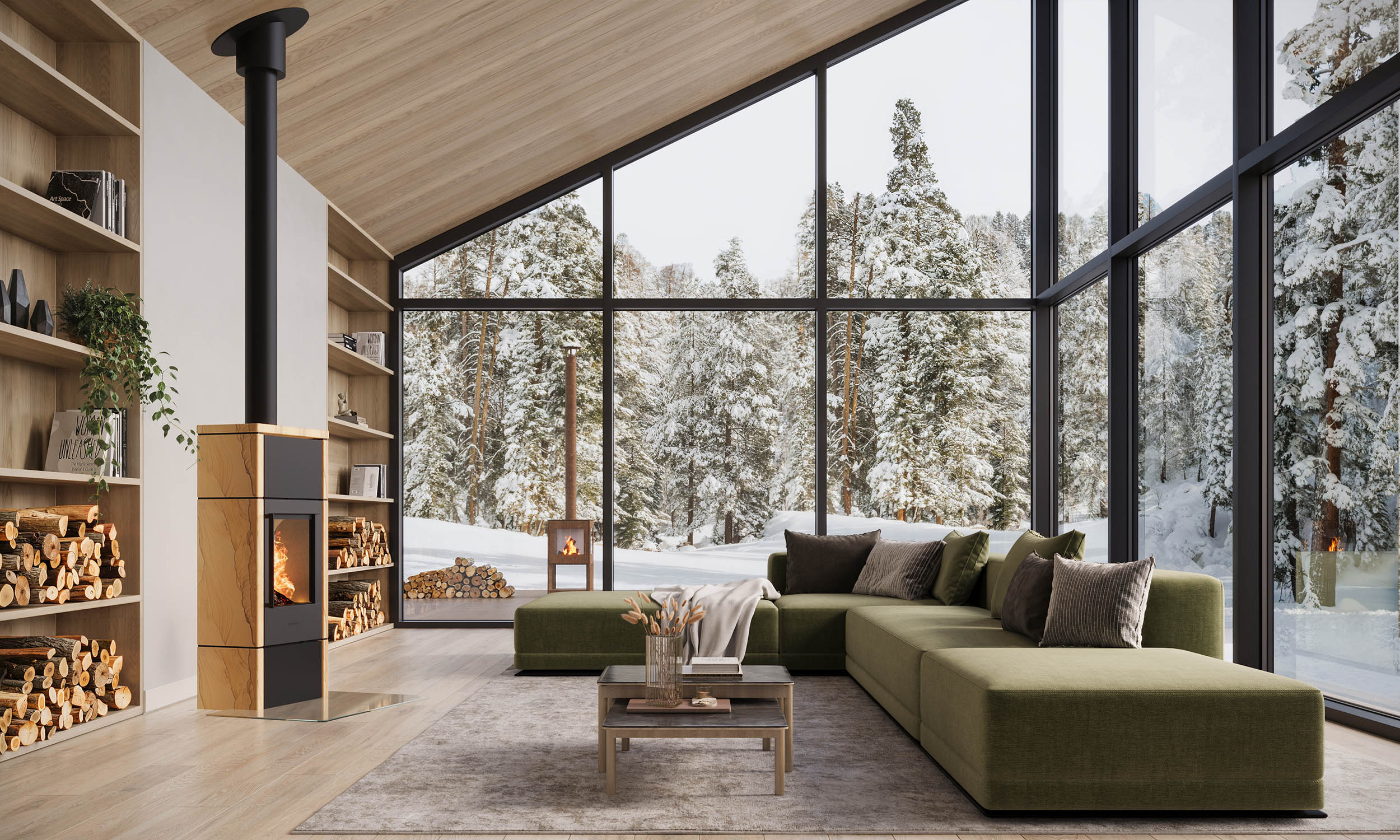
Where we are not the right pick: a single competition image where the visual language matters more than the schedule, or a planning inquiry that needs verified views. The first and second groups of this list exist for those, and we say so to clients who ask.
Bloomimages
Best for: large sets of images for corporate, institutional and infrastructure projects.
Based in: Hamburg, with offices in Berlin and New York.
Bloomimages has built a strong European footprint on office headquarters, transit infrastructure and public buildings, with a notably restrained lighting style — the kind of imagery that suits a client committee rather than a magazine cover. Their scale means a thirty-image package does not become a scheduling problem.
Product, motion and styling
Product CGI and moving work are separate crafts. In animation the cost driver is sequence length and revision cycles, not resolution. In product and interior styling the camera is closer, the materials and the props carry the whole image, and the output is usually a set of variations rather than a few hero shots. A product rendering company is not the same animal as an architectural one, and hiring across that line is the most common mismatch we see.
BetterThan Studio
Best for: furniture, packshots and 360° spins for catalogs and e-commerce.
Based in: USA and UK. Working since 2015, with a team of 30+ 3D artists.
Disclosure: part of the same group of companies as Freedes Studio.
BetterThan places products in styled interiors so they read as photographed rather than composited — the difference between a catalog image and a catalog image that sells. The output is built for retail: a single sofa in fifteen finishes, spin sets that let a shopper turn the object, packshots that drop straight into a product page, and AR-ready assets from the same models.
Where the architectural studios above are the better call: anything where the building is the subject. Product specialists light objects, not spaces, and the two disciplines rarely live in one team — which is why they sit in separate companies here rather than as one department.
ZOA Studio
Best for: architectural animation and film where the camera has to do the storytelling.
Based in: Budapest, Hungary.
ZOA works across stills and moving image but is best known for animation with cinematic pacing — projects where a building is revealed rather than presented. Worth approaching early: animation decisions constrain modeling decisions, and studios of this type prefer to be in the conversation before the model is finished.
Gabriel Saunders
Best for: styled interiors and considered art direction, plus motion and immersive work from the same team.
Based in: Fitzroy, Melbourne, Australia.
Gabriel Saunders treats styling as part of the image rather than as decoration added at the end — the furniture, the props and the light are chosen the way a photographer would choose them for a shoot. The studio splits its work across imagery, styling, motion and immersive media, which suits designers and brands who care as much about how a room is dressed as about how it is lit. Being in Melbourne also makes it a natural first call for Australian projects, where local material and lifestyle references matter.
xoio
Best for: projects that need both architecture and the objects inside it.
Based in: Berlin, Germany.
xoio spans architectural visualization, product visualization and illustration from the same team, which is unusual and useful: a furniture manufacturer selling into a building, or a developer who needs interiors plus the fittings, can brief one studio instead of two.
Where these studios are, and when location matters
Most of the work on this page is delivered remotely, and every studio listed works worldwide. Location becomes a real factor in only three situations:
- Planning and consultation. A studio that has been through the local process knows what a committee expects to see, which viewpoints have to be verified, and what will be challenged. This is why Hayes Davidson dominates contested UK sites and why a US developer would rarely brief them for a Miami launch.
- Styling and context. Interiors read as local. Furniture, planting, cars, the quality of the light at a given latitude — a Melbourne studio dresses an Australian apartment more convincingly than a European one does, and the reverse is equally true.
- Compressed schedules. When a launch needs daily review calls, four hours of overlap beats a better portfolio twelve time zones away.
United States. Freedes Studio (offices in Los Angeles and London), Neoscape in Boston, DBOX in New York and BetterThan Studio across the US and UK. If you are searching for 3D rendering services in Los Angeles or New York specifically, these are the studios on this list with the closest working relationship to those markets.

United Kingdom and Europe. Hayes Davidson and DBOX in London, Brick Visual in Budapest, ZOA Studio in Budapest, Luxigon in Paris, Beauty & The Bit in Madrid, Bloomimages in Hamburg and Berlin, xoio in Berlin, MIR in Bergen. Europe holds the densest concentration of signature architectural visualization companies in the world, and most of them take work from anywhere.
Australia and Asia-Pacific. Binyan Studios in Sydney and Gabriel Saunders in Melbourne. Both work internationally, but for an Australian residential launch the local reading of materials, planting and lifestyle is worth having in the room.
What to check before you sign
Portfolios are curated, so the useful checks are elsewhere. Five that take an afternoon:
- Ask who does the work. Some studios present a house style and subcontract production. Neither is wrong; not knowing is.
- Ask what a revision means. How many rounds are included, what counts as a change of scope, and what a change costs after approval.
- Ask for a project with your constraints. Not the best image in the portfolio — an image made under a comparable deadline, budget and level of design information.
- Check the file rights. Who owns the source scene, and whether you can reuse images in a later campaign.
- Check the timeline in writing. A studio that will not commit to dates in the contract has told you something.
Our full list of 15 questions to ask before hiring a 3D rendering company covers the rest, including the ones studios dislike answering.
What this costs in 2026
Prices in this market track the studio’s position, not the pixel count. As a rough orientation: full-service studios land in the high hundreds to low thousands per image for developer-grade work, campaign agencies price by project because the deliverable is a campaign, and signature studios price by authorship, where a set of competition images can reach five figures. Animation multiplies all of it.
What actually moves the number is the quality of your input model, the number of revision rounds, and how much design decision-making the studio has to do for you. The detailed version, with current ranges by project type, is in our guide to 3D rendering costs.
Frequently asked questions
What is a 3D rendering company?
A 3D rendering company — also called a rendering studio, a 3D visualization company or a CGI firm — turns architectural or product models into finished images, animations and interactive media. The work covers modeling from drawings, materials, lighting, camera work and post-production. Most studios specialize: architectural visualization, product CGI, or real-estate marketing.
How much does it cost to hire a 3D rendering studio?
For a single architectural still, expect a few hundred dollars at the mid-market end and four figures at the top. Packages for a development launch are quoted per project. See our cost guide above for current ranges.
How long does a rendering project take?
A straightforward exterior still typically takes 5–10 working days including one revision round. Larger packages run three to six weeks. Studios that promise 24 hours are either working from a complete, clean model or cutting something.
Should I hire a local rendering company?
Rarely a decisive factor. The work is delivered digitally and reviewed on screen, so time zone overlap and communication discipline matter more than a shared postcode. What a local studio does offer is familiarity with regional planning conventions and building styles — which is why a London planning application and a Melbourne residential launch often go to different studios.
Which is the best 3D visualization company in the world?
The wrong question, in our experience. Match the studio to the job: signature studios for competition imagery, campaign agencies for launches, full-service studios for volume, animation and product specialists for everything that moves or sits on a shelf. A studio that is excellent at one of those is usually average at another.
Also considered
Several studios were reviewed and left off, either because their published work overlaps almost entirely with a studio already listed, or because we could not verify enough about how they work: Forbes Massie, Play-Time in Barcelona, Kilograph in Los Angeles and Methanoia among them. Some of these are excellent and would sit comfortably in the first group. This is a working shortlist, not a ranking of the entire industry.
Two names from the previous edition of this guide were removed for a blunter reason. One studio’s website now returns a suspension notice; another lost its domain, which today resolves to an online casino. Both were live when we first published, which is the best argument we know for checking a studio’s site yourself before you send a brief.
Conclusion
The useful question is not which of the best 3D rendering companies wins on paper, but which studio is built for the job in front of you. Signature studios sell authorship, marketing agencies sell campaigns, full-service studios sell reliability at volume, motion and product specialists sell craft in their own narrow field. Decide which of those you are actually buying, then compare two or three studios inside that group rather than across all of them.
This guide was last reviewed in September 2026. Two of the fourteen studios here are ours, marked as such, and neither entry claims to be the right answer for every brief. If you want a second opinion — including whether one of the other studios here suits it better — tell us about the project and we will say so plainly.
Considering doing it in-house instead? Our review of the best free 3D rendering software covers what each licence actually permits, and where free stops being free.