Lighting Design Visualization: How CGI Accurately Simulates Complex Architectural Lighting Scenarios
Overview
Lighting is the silent architecture of any interior or exterior space. It dictates spatial volume, influences human mood, and defines the tactile quality of material finishes. Yet, in real estate development and architectural planning, lighting design is often relegated to abstract ceiling plans and technical electrical schematics. In 2026, high-fidelity computer-generated imagery (CGI) has revolutionized this discipline. Modern lighting design visualization is no longer just an artistic approximation — it is a scientifically accurate simulation tool that allows developers, lighting engineers, and architects to evaluate complex architectural lighting scenarios long before physical installation begins.
Historically, 3D rendering engines relied on basic point lights and artistic guesswork to illuminate a digital scene. Today, professional visualization studios utilize physically based rendering (PBR) and advanced raytracing algorithms to replicate the exact physics of light propagation. To achieve true accuracy, visualizers import manufacturer-specific IES (Illuminating Engineering Society) photometric profiles directly into the 3D environment. These digital files contain precise laboratory-tested data regarding how a specific luminaire distributes light in the real world.
The Science of Digital Light: IES Profiles and Lumen Accuracy
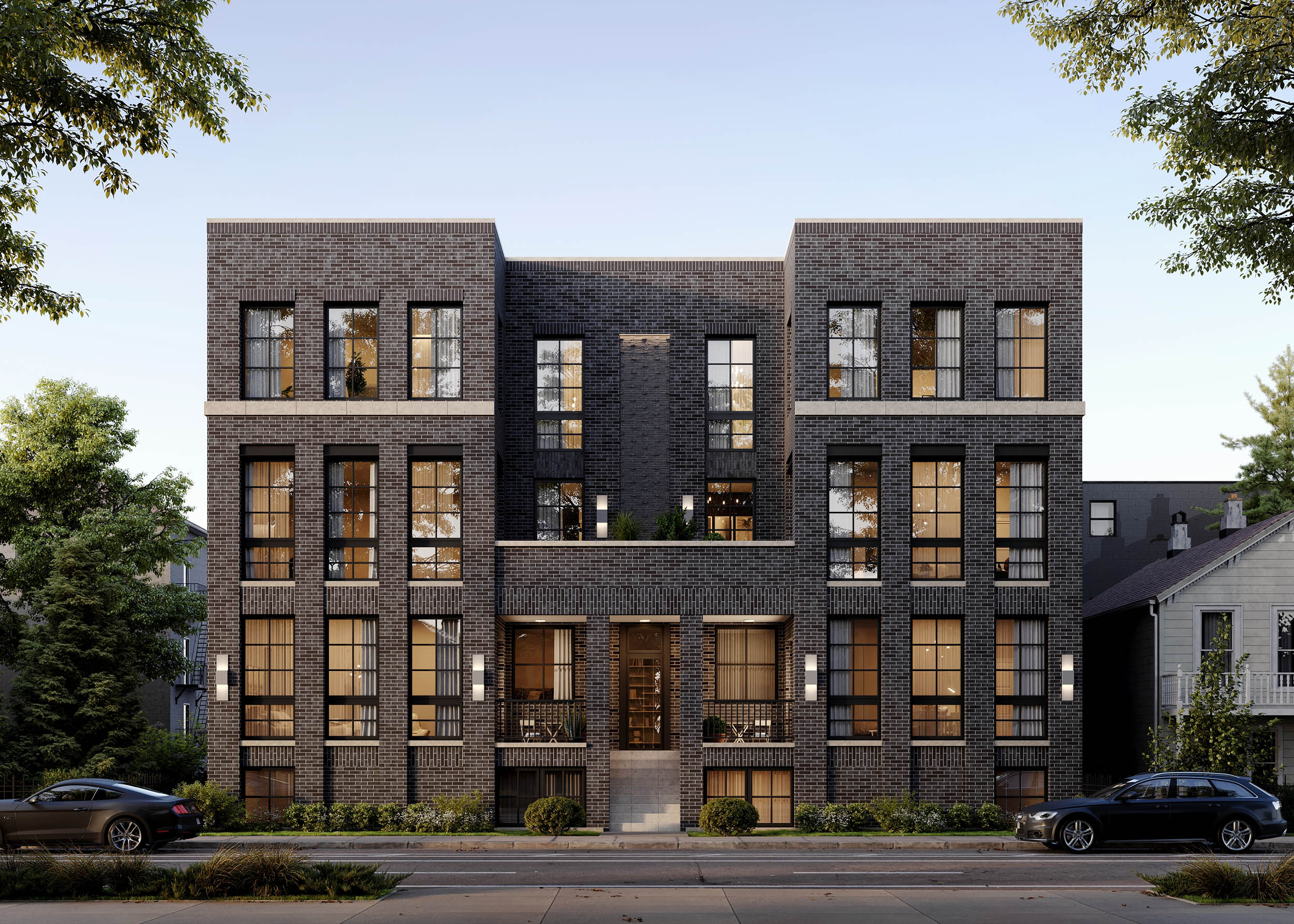
Architectural lighting does not exist in a vacuum; it constantly interacts with changing environmental conditions. A premier visualization strategy evaluates how artificial light sources integrate with natural daylighting throughout the diurnal cycle. By inputting exact geographic coordinates, date, and time data, CGI artists simulate the trajectory of the sun. This allows design teams to see how morning sunlight interacts with interior recessed downlights, or how automated motorized blinds can be programmed to mitigate midday glare without compromising ambient illumination. Exterior architectural lighting transforms a building’s identity after dark. High-end 3D rendering enables lighting designers to experiment with complex facade illumination — such as grazing rough stone textures, backlighting perforated metal screens, or projecting dynamic LED media displays onto high-rise towers. Evaluating these scenarios digitally protects the developer from costly post-construction rewiring and ensures the property achieves an iconic nighttime silhouette.
Simulating Dynamic Environments: Day-to-Night Transitions
Managing Glare and Solar Transitions
The Dramatic Dusk and Nighttime Facade
Mitigating risk is the ultimate value proposition of technical lighting visualization. Installing custom architectural lighting hardware involves significant capital expenditure. Miscalculating light output or fixture placement on a construction site leads to expensive change orders, project delays, and compromised aesthetic quality. When developers present scientifically accurate lighting renders to engineering teams, municipal zoning boards, and executive stakeholders, ambiguity vanishes. Every stakeholder can visually verify that the proposed lighting scheme meets energy efficiency standards, fulfills safety codes, and enhances the property’s brand prestige. Ultimately, professional lighting design CGI transforms an abstract electrical plan into a verifiable, high-impact reality. By seeing the light before buying the fixtures, developers safeguard their investments and deliver extraordinary architectural experiences.
Accelerating Engineering Sign-Offs and Stakeholder Approvals
[/freedes_project_section]
[/freedes_project_section]