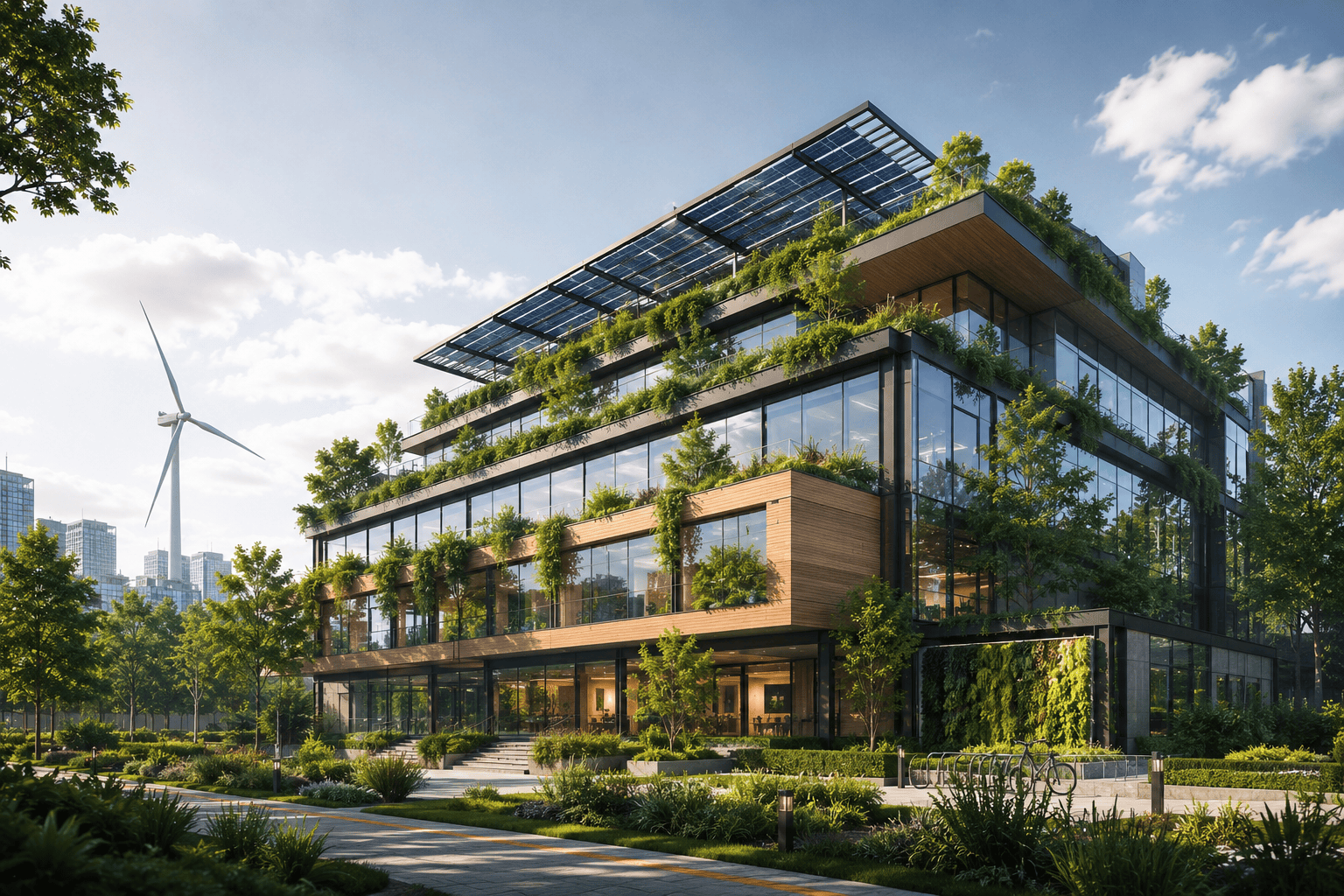
Visualizing Green: The Role of 3D Rendering in Marketing Sustainable and Net-Zero Buildings
Overview
As the global real estate sector accelerates toward carbon neutrality, green architecture has evolved from a niche alternative into a strict commercial baseline. In 2026, property developers constructing net-zero, LEED, or BREEAM-certified buildings face a unique marketing challenge: how to visually communicate invisible engineering achievements. Sustainable infrastructure — such as geothermal loops, high-performance thermal insulation, and advanced solar orientation — is often hidden behind drywall or buried underground. High-fidelity architectural 3D rendering serves as the essential bridge, translating complex environmental engineering into compelling, marketable visual narratives.
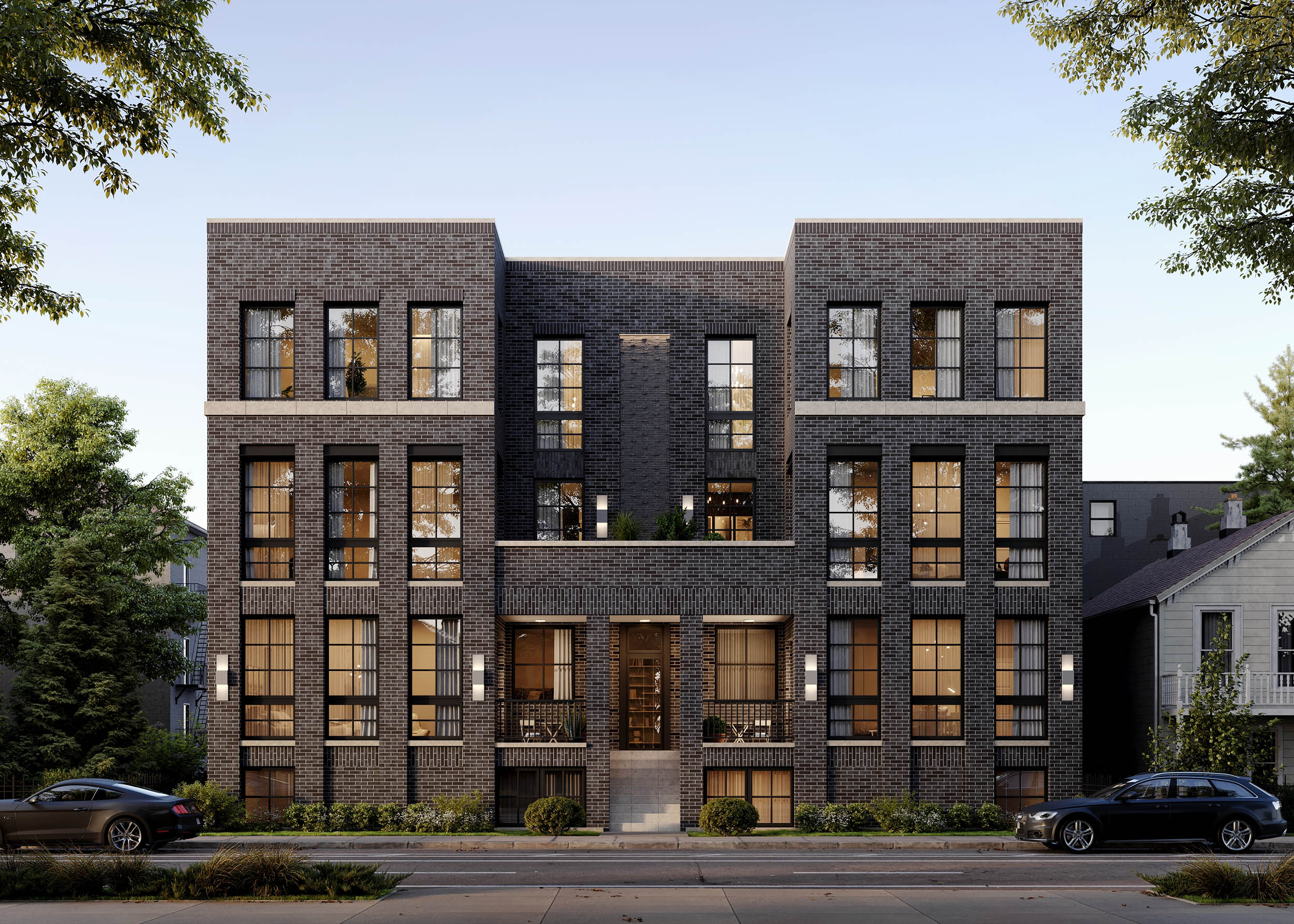
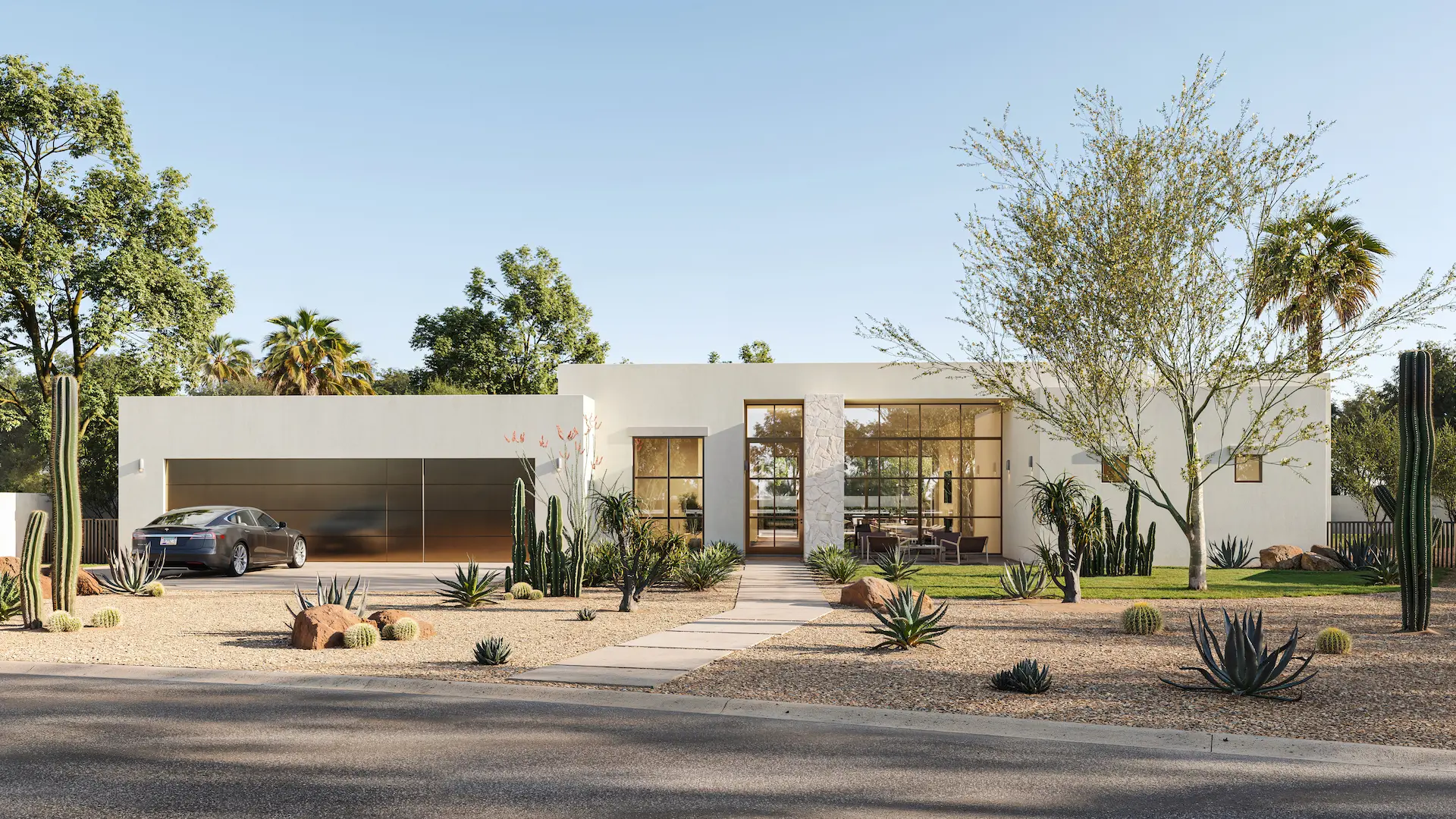
By leveraging specialized sustainability rendering techniques, developers can market eco-friendly developments long before construction is completed. Premium CGI turns energy efficiency into a tangible luxury selling point, attracting eco-conscious buyers, corporate tenants with strict ESG (Environmental, Social, and Governance) mandates, and green institutional investors.
Traditional real estate photography and standard CAD elevations cannot demonstrate how a building interacts with natural environmental forces. Advanced 3D visualization allows marketing teams to visually “peel back” the architectural envelope to showcase high-performance systems in action.
Making Invisible Sustainable Engineering Visible
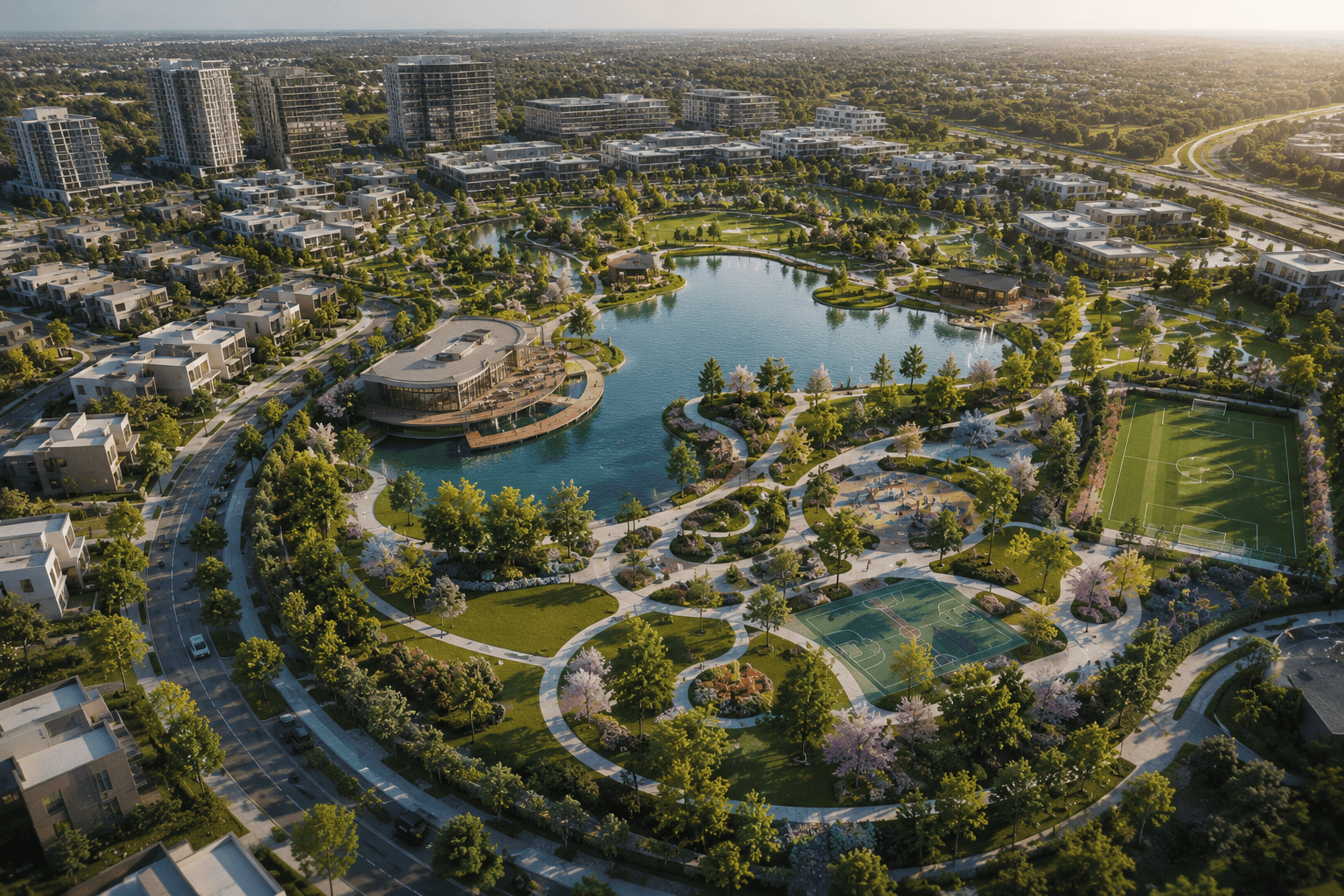
Modern sustainable marketing is deeply connected to human health and well-being. Corporate tenants and residential buyers actively seek environments that foster a direct connection to nature through biophilic design principles. A simple architectural elevation often fails to capture the true vibrancy of vertical gardens or living green walls. Professional CGI artists populate renderings with region-specific, native botanical libraries. By simulating lush internal courtyards, rooftop agricultural terraces, and cascading foliage, visualizations prove that the development actively enhances urban biodiversity and improves local air quality. Interior renderings of sustainable spaces focus on atmospheric purity and comfort. By strategically modeling natural ventilation airflow, generous floor-to-ceiling heights, and abundant glare-free daylighting, 3D visualizations convince prospective tenants that the building will actively boost productivity, reduce sick days, and provide an exceptional living experience.
Communicating Biophilic Design and Wellness
Showcasing Living Facades and Urban Forests
Simulating Indoor Environmental Quality (IEQ)
In 2026, securing capital for large-scale developments often hinges on meeting strict environmental benchmarks. Green investment funds, municipal zoning boards, and corporate stakeholders require clear proof of environmental compliance before deploying capital or granting building permits. Presenting a visual package that accurately simulates net-zero performance builds immediate credibility with regulatory authorities and financial institutions. By partnering with a specialized 3D rendering studio, developers can seamlessly integrate their sustainability metrics into breathtaking exterior hero shots and immersive virtual tours. Ultimately, professional green visualization transforms complex environmental data into an irresistible commercial asset, driving faster pre-leases, commanding higher valuations, and leading the transition toward a sustainable built environment.
Accelerating ESG Approvals and Green Financing
[/freedes_project_section]
[/freedes_project_section]