The demand for 3D rendering has exploded across industries—architecture, real estate, product design, gaming, and digital advertising. As visualization quality improves and competition grows, one question remains constant: How much does 3D rendering cost in 2026?
While the fundamentals of 3D rendering rates haven’t changed, new tools, AI-assisted workflows, and rising global demand have influenced pricing across the world. Understanding these trends helps you budget accurately and choose the right visualization partner for your project.
This guide provides an in-depth look at current pricing models, cost-influencing factors, regional differences, and practical tips to ensure you receive the best value for your investment.
1. Brief Look at How Costs Have Changed Leading Up to 2026
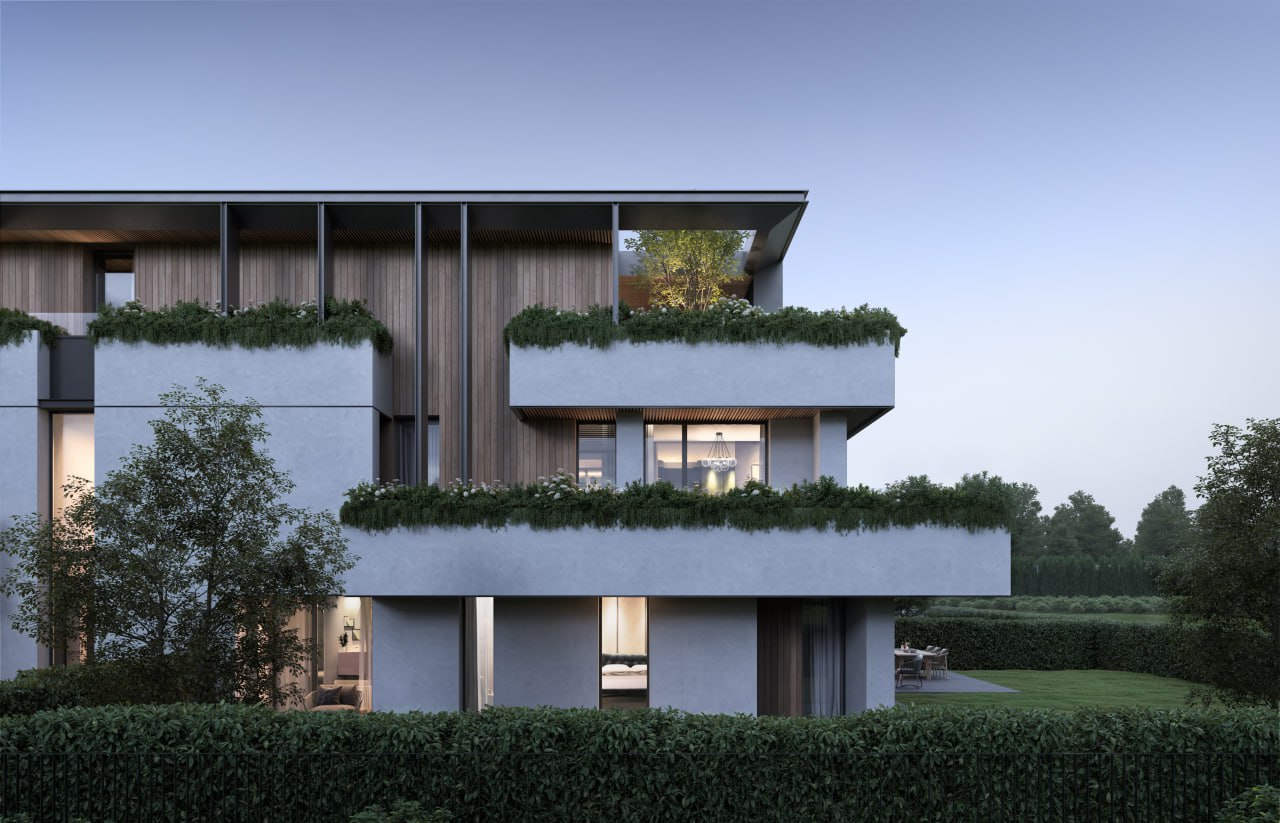
From 2020 to 2025, the architectural rendering price fluctuated due to technological advancements and global shifts in creative labor markets. Several key changes shaped the industry:
– AI-accelerated workflows lowered production times for drafts and clay renders.
– Demand for photorealistic 3D visualization skyrocketed, especially in real estate and product advertising.
– More studios entered the market, creating competition and wider pricing gaps.
– VR/AR adoption increased, introducing new cost categories.
By 2026, the market has stabilized, but quality expectations are now higher than ever. Clients expect near-photoreal visuals, advanced lighting, detailed materials, and immersive experiences—elements that directly impact 3D rendering pricing.
2. Key Factors That Influence 3D Rendering Prices

Project Complexity: Simple vs. Detailed Models
Project complexity is one of the biggest contributors to 3D visualization cost. Simple, low-poly models require less time, while detailed architectural scenes, custom furniture, vegetation, and realistic materials take significantly longer.
– Simple projects: few elements, basic lighting, simple textures.
– Complex projects: intricate geometry, heavy detailing, custom assets, advanced lighting setups.
The more custom elements required, the higher the final 3D rendering rates.
Interior vs. Exterior Renders
Interior 3D rendering pricing is often lower because interiors have controlled lighting and fewer environmental variables. However, highly detailed interiors—luxury spaces, retail environments, or thematic designs—can cost more.
Exterior 3D rendering cost varies more widely because of added factors such as:
– landscape modeling
– realistic vegetation
– cars, people, street elements
– complex lighting (sun position, night renders, HDRI environments)
Exteriors tend to require more computing power and longer rendering times, influencing the final pricing.
Level of Realism and Photorealistic Details
A basic 3D render is cheaper than a realistic 3D rendering price for a photoreal image.
Hyper-realistic outputs require:
– accurate global illumination
– physically based materials
– detailed textures
– custom shading
– high-resolution output
– advanced post-production
Premium realism is the biggest factor separating affordable 3D rendering from high-end visualization studios.
Number of Views or Images Required
3D rendering service cost decreases per image when creating multiple views because models and materials can be reused. For example:
– 1 image = full price
– 3–5 images = discounted additional views
– 10+ images = package rates
Bulk rendering is common for residential and commercial real estate projects.
Turnaround Time and Deadlines
Urgent deadlines increase the architectural rendering price. Fast delivery requires:
– overtime work
– additional artists
– high-power farm rendering
– expedited revisions
Expect rush fees if your timeline is under 48–72 hours.
3. Average Pricing for Different Types of 3D Rendering in 2026
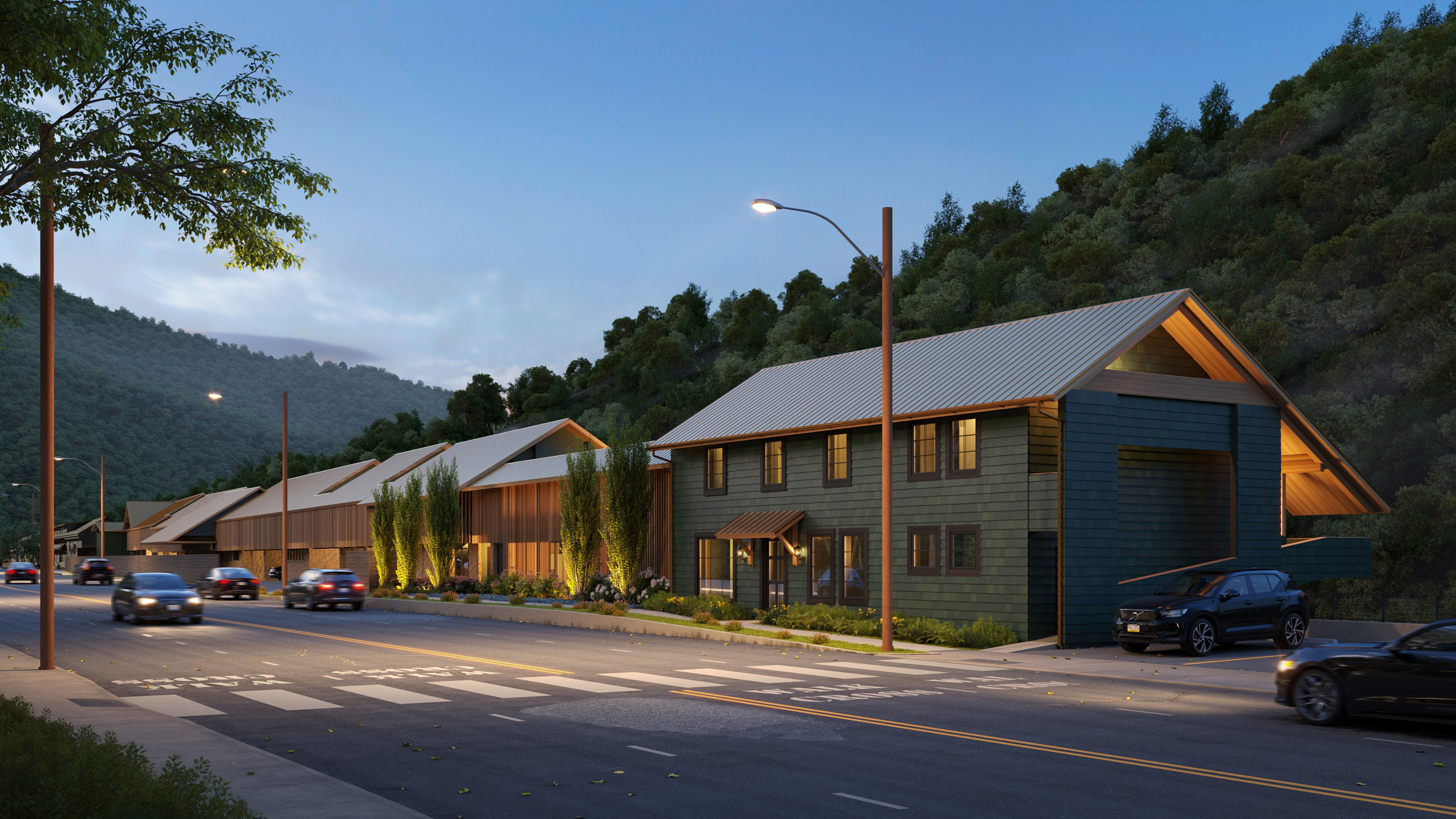
Below are the typical 2026 price ranges based on global averages. Keep in mind that high-end studios charge more, while freelancers or offshore teams may charge less.
Basic Interior Renders
Price range: $150 – $600 per image
Includes simple furnishings, standard materials, and basic lighting. More realistic interiors with advanced decor and custom modeling may cost: $600 – $2,000 per image
Exterior Architectural Renders
Price range: $300 – $1,500 per image
Factors that raise exterior 3D rendering cost:
– complex landscaping
– large buildings
– night scenes
– premium realism
– populated environments (people, cars, greenery)
High-end real estate marketing renders can reach: $2,000 – $6,000 per image
Aerial Views and Large-Scale Projects
Price range: $800 – $5,000 per image
Aerials require large environments, city blocks, terrain modeling, or drone-photo matching.
Large masterplans and multi-tower projects naturally cost more due to scale.
3D Animation and Walkthroughs
Price range: $50 – $250 per second of animation
A 60-second animation typically costs: $3,000 – $15,000+
Higher ranges apply when the project includes:
– character animation
– advanced lighting
– complex camera movements
– sound design
– high-quality VFX
VR/AR Interactive Experiences
Price range: $2,000 – $45,000 depending on complexity
VR and AR require real-time rendering, optimized textures, interactive elements, and sometimes a game-engine environment (Unity/Unreal). This category has the widest pricing gap due to technical variation.
4. Regional Pricing Differences
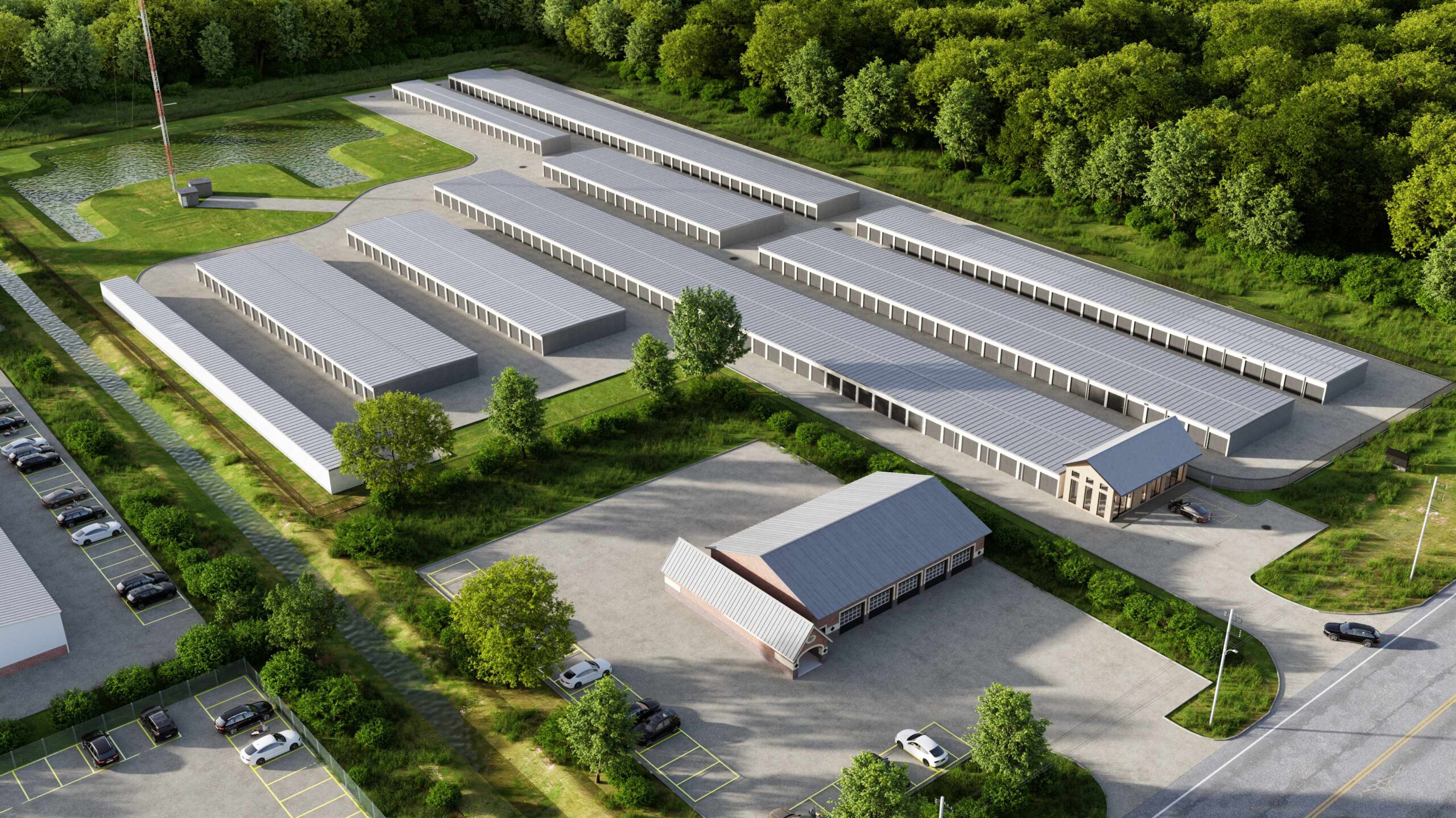
Below is an approximate comparison of 3D rendering rates by region. Prices reflect typical mid-level professional studios.
| Region | Average Price Per Render | Notes |
| USA | $600 – $2,500 | Highest rates; premium quality, strong commercial demand |
| Western Europe | $400 – $1,800 | Strong architectural markets; competitive pricing |
| UAE / Middle East | $500 – $2,200 | High demand for luxury visuals; fast turnaround expectations |
| Asia (India, China, Philippines, Vietnam) | $150 – $700 | Most affordable; great for bulk work; quality varies by studio |
Why Location of the Studio Impacts Cost
Regional pricing is shaped by:
– labor costs
– competition
– industry demand
– client expectations
– government taxes and regulations
– cost of software, hardware, and talent acquisition
Studios in the US, Canada, and Northern Europe generally charge more, while Asian studios or freelancers may offer affordable 3D rendering with longer turnaround times.
Outsourcing vs. Working with Local Studios
Outsourcing benefits:
– lower 3D rendering pricing
– access to large production teams
– cost-efficient for bulk images
Local studio benefits:
– easier communication
– time-zone alignment
– stronger brand reliability
– better quality control
– more predictable deadlines
Many clients choose a hybrid model: local creative direction + offshore production.
5. Summary of 2026 Cost Trends
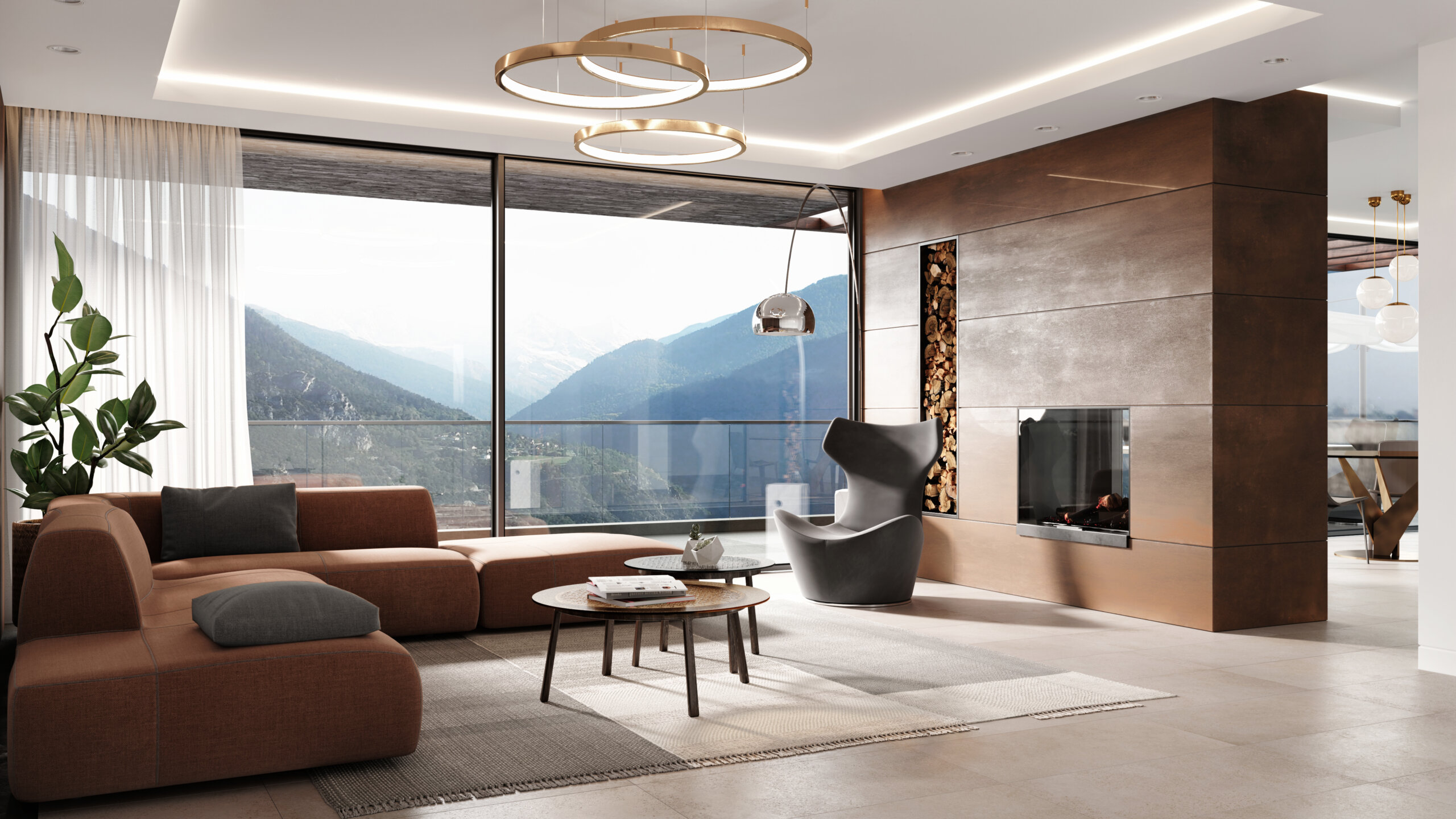
As we enter 2026, several major pricing trends are clear:
- Photorealism becomes the standard.
Clients expect lifelike materials, advanced lighting, and cinematic composition—raising average budgets.
- AI speeds up production but does not lower top-tier prices.
AI accelerates drafts but premium photorealism still requires skilled 3D artists.
- Demand for VR/AR grows.
Interactive and real-time 3D experiences are now common in architecture and product design, increasing project costs.
- Animation becomes more accessible.
More studios offer mid-range animation packages, reducing the barrier for developers and real estate marketers.
- Global price gaps continue.
Asia remains the most affordable region, while the US and UAE lead in high-end visualization pricing.
6. Tips for Getting the Best Value From a Rendering Partner
Choosing the right studio affects both cost and final quality. Here are practical tips to maximize your investment:
1. Provide Clear References.
Mood boards, sketches, material samples, and floor plans reduce revision time and keep 3D rendering rates low.
2. Choose the Right Detail Level.
You don’t always need full photorealism—sometimes a semi-realistic preview works for early design stages.
3. Ask About Bulk Discounts.
Many studios offer reduced per-image pricing for large projects.
4. Discuss Revision Policies.
Clear expectations prevent surprise fees.
5. Don’t Choose the Cheapest Option.
Extremely low 3D rendering service cost often means poor communication, low-quality outputs, or missed deadlines.
6. Work With a Proven Studio.
A reliable partner delivers consistently high quality. If you’re looking for professional results, consider collaborating with Freedes Studio.
Conclusion
The cost of 3D rendering in 2026 depends on complexity, realism, number of views, deadlines, and the studio’s location. Prices range widely—from affordable 3D rendering options to high-end photorealistic visuals for premium real estate and design projects.
Understanding the factors behind 3D visualization cost helps you budget correctly, communicate effectively, and choose the right partner for your workflow. Whether you need simple interior renders or cinematic animations, the right 3D studio can elevate your project and help you tell a powerful visual story.
Summarize this article with the help of:
 ChatGPT
 Perplexity
 Claude
 Grok
Grok