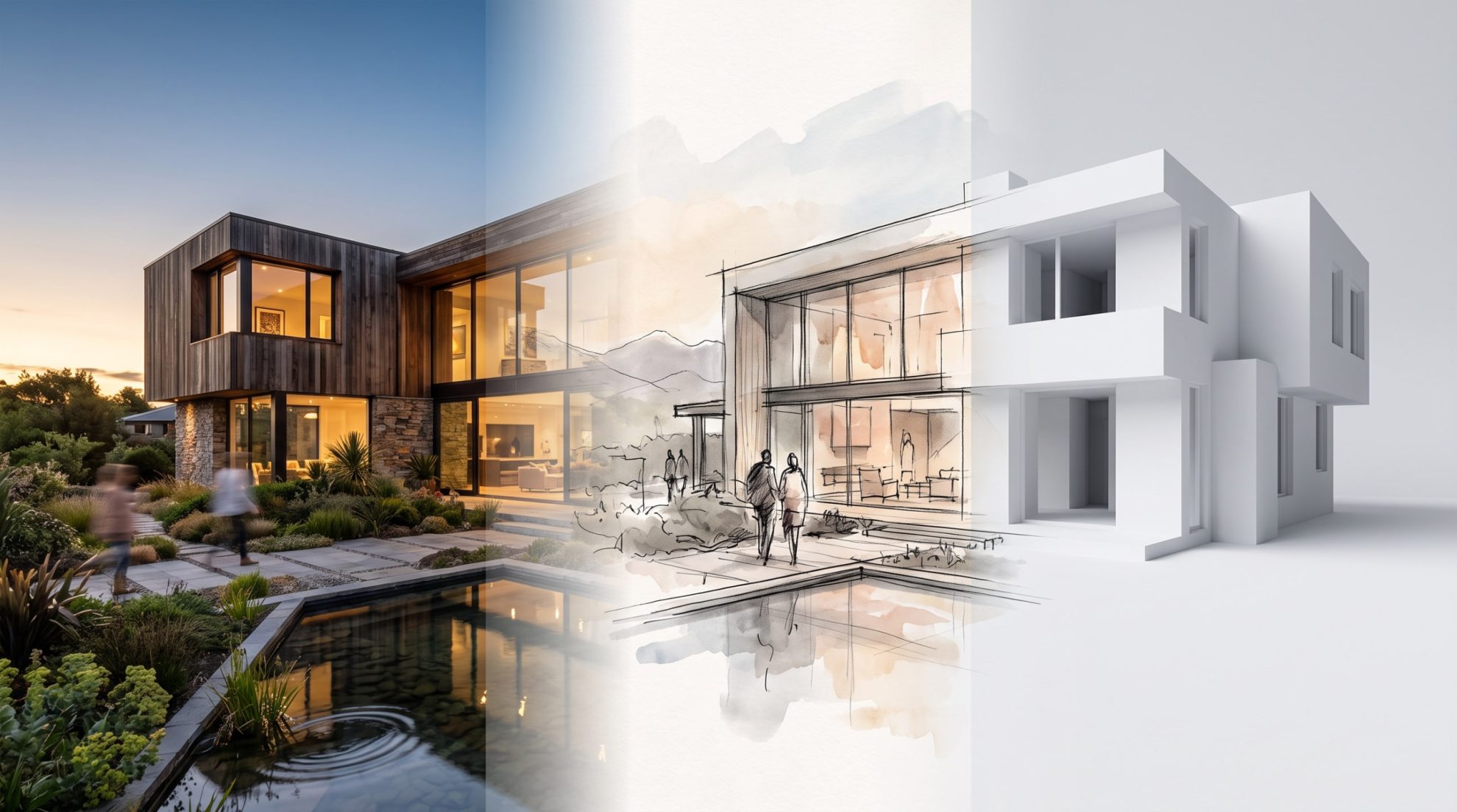
Architectural Rendering Styles: Photorealistic, Conceptual & White-Model
- Ziņas autors Autors: seohighwaytotop
- Publicēšanas datums 15.09.2026
Not every architectural render should look like a photograph. That is one of the most expensive misunderstandings in the industry – clients pay for photorealistic images when a white-model study would answer the question faster, or when a conceptual sketch would sell the idea harder. The style of the render is a strategic decision, not a default setting.
This guide covers the three core rendering styles used across architecture, real estate, and interior design in 2026 – what each is built for, when it wins, and how to combine them across a single project.
Why Rendering Style Matters
A render is a communication tool. The audience – client, city planner, investor, homebuyer – decides which style delivers the message. Photorealism during early design phases wastes budget on details that will change; a conceptual sketch at final sales stage looks unprofessional next to competitors’ polished visuals. Match the style to the phase, and every image earns its keep.
Photorealistic Rendering
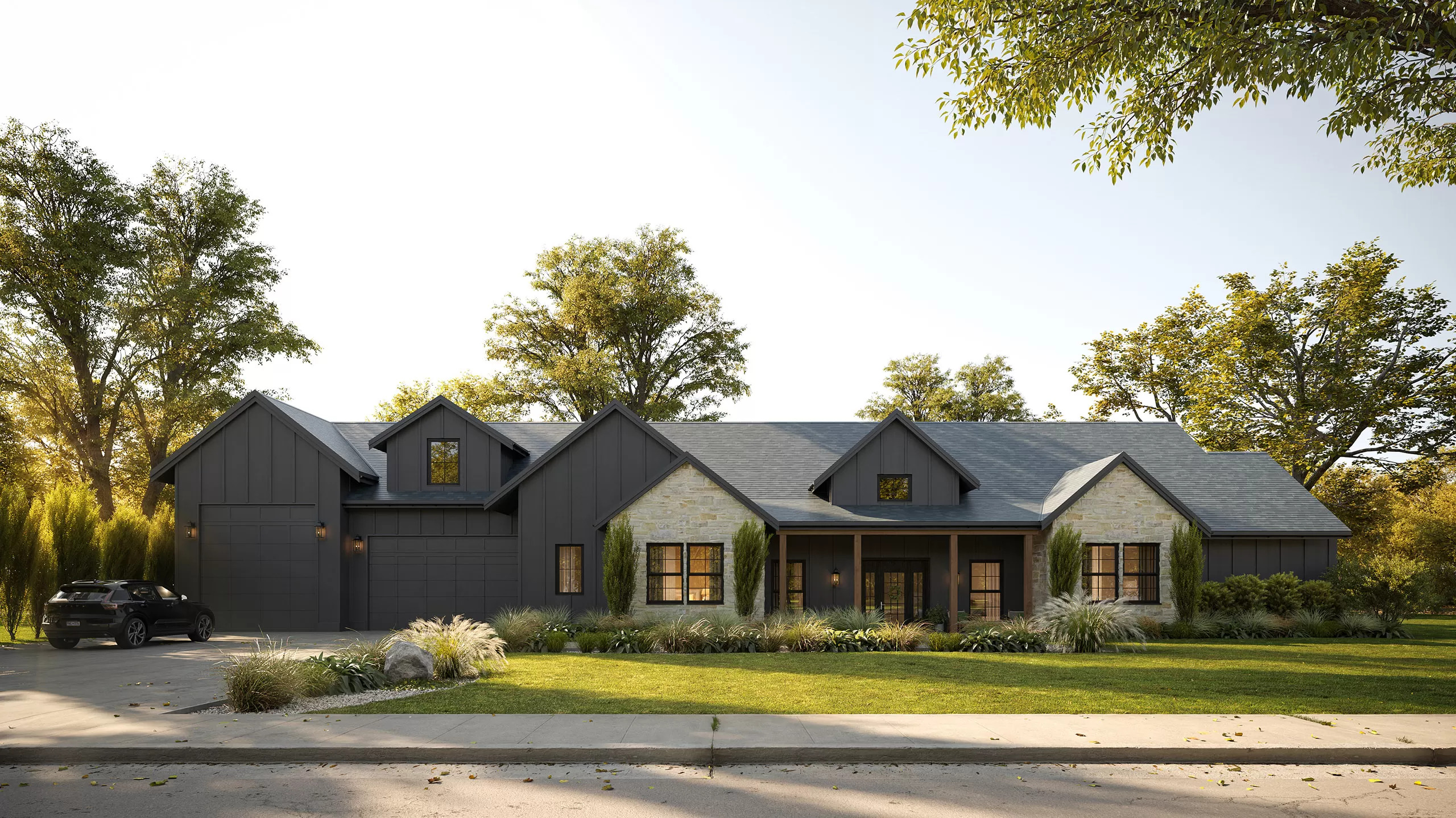
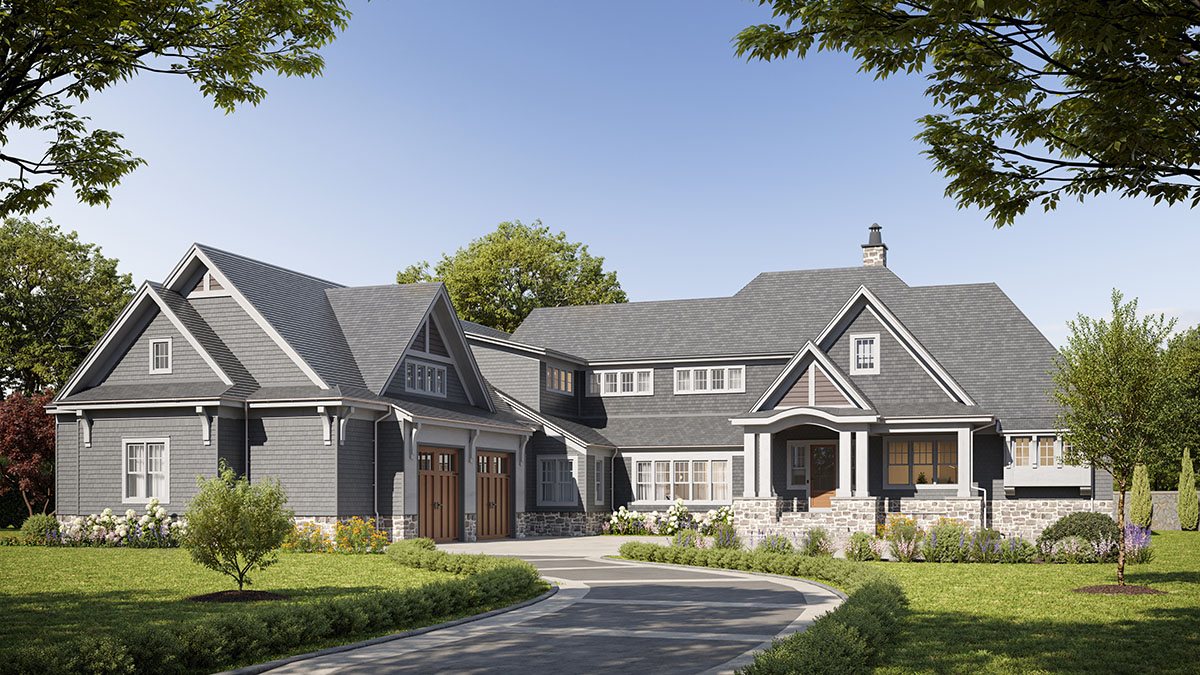
Photorealistic rendering is the industry’s flagship style – visuals so close to real photography that clients often ask which building was photographed. It is what most people mean when they say “3D render.”
What defines it:
- Physically accurate materials (real wood grain, veined marble, brushed metal)
- Global illumination and true-to-life lighting scenarios (day, dusk, night)
- Real-world assets – furniture, cars, people, vegetation from photogrammetry libraries
- 4K–8K resolution, calibrated for print and large-format display
When it wins:
- Pre-construction sales for developers and off-plan marketing
- Luxury listings where the visual is the product
- Competition entries in the final round
- Brochures, websites, billboards, and sales gallery displays
Trade-offs. Longest production time (2–6 weeks per hero image), highest cost, and no room for hiding rough design decisions – every material, every fixture, every light source has to be resolved.
Conceptual Rendering
Conceptual – sometimes called illustrative or artistic – rendering trades realism for mood, story, and speed. Think watercolor washes, sketch overlays, painterly compositions, and stylized figures that suggest a lifestyle rather than document it.
What defines it:
- Non-photographic aesthetic: hand-drawn look, painterly lighting, loose materials
- Emphasis on mood, atmosphere, and human activity
- Often mixes 2D and 3D – a 3D base with 2D texture, hatching, or paint overlays
- Fast turnaround compared to photorealism
When it wins:
- Early design phases, before finishes and materials are locked
- Competition submissions where storytelling matters more than accuracy
- Public consultations, planning applications, and civic pitches
- Marketing for boutique or design-led projects where realism would feel corporate
Trade-offs. Harder to sign off from an approvals standpoint (planners often want photoreal), and dependent on the artist’s hand – two conceptual renders in different hands can feel like different projects.
White-Model (Clay) Rendering
White-model rendering, also called clay rendering, strips the image back to form and light. All surfaces render in a single neutral material – usually matte white – with only geometry, shadow, and volume doing the visual work.
What defines it:
- Monochrome material across the whole scene
- Focus on massing, proportion, and spatial hierarchy
- Clean, high-contrast lighting to read the form
- Often paired with technical overlays: dimensions, program labels, or diagrams
When it wins:
- Early concept and massing studies with clients or planning authorities
- Competition boards where the jury is judging form, not finishes
- Architectural monographs and portfolio publications
- Any moment when materials would distract from the geometric idea
Trade-offs. Says nothing about materials, brand, or lifestyle. Poor fit for consumer real estate marketing, where buyers want to see themselves in the space.
Quick Comparison
Style | Primary Purpose | Speed | Best Stage |
Photorealistic | Sales, marketing, print | Slow | Final / launch |
Conceptual | Storytelling, competitions | Medium | Early / mid |
White-model | Form, massing, technical | Fast | Concept / competition |
How to Choose the Right Style
Three questions decide the style before the brief is written:
- Who is the audience? Buyers and investors expect photorealism. Planners and juries accept – and often prefer – conceptual or white-model.
- What phase is the project in? Concept and schematic → white-model or conceptual. Design development → conceptual or hybrid. Marketing and sales → photorealistic.
- How locked are the finishes? If materials will change, do not render them yet. White-model and conceptual buy time.
Serious projects rarely pick one style and stop there. A single development can use white-model for the initial planning submission, conceptual illustrations for the design story, and full photorealistic architectural rendering for the sales campaign – each image earning its place in the phase it was made for.
Combining Styles Across a Project
A well-run visualization plan phases the styles together:
- Concept phase. White-model massing studies + conceptual sketches for client alignment.
- Design development. Conceptual renders with partial materials to test direction.
- Approvals. White-model with context and shadows for planning submissions.
- Pre-sale marketing. Full photorealistic hero images, animations, and interior scenes.
- Post-launch. Progressive photorealistic updates as finishes and unit-mix decisions lock in.
The same 3D model can serve every stage if the rendering pipeline is set up for it – one geometry file, multiple output styles.
Rendering style is a decision as important as camera angle or lighting. Photorealistic sells the finished product, conceptual sells the idea, and white-model sells the form. Match the style to the audience and the phase, use them in combination across a project’s lifecycle, and every render pays its way. Default to photorealism for everything, and the budget runs out before the work does.