How to Market a New Construction Development Before It’s Built
- Ziņas autors Autors: seohighwaytotop
- Publicēšanas datums 14.09.2026
Selling homes that do not exist is the hardest job in real estate marketing – and the most profitable when done right. Pre-sales fund construction, prove absorption to lenders, and lock in buyers before the market shifts. But you cannot show up on launch day with a rendering and a phone number. Winning developments start marketing 6 to 18 months before the first shovel hits dirt, and they treat the project as a brand from day one – which is where strategic real estate branding separates a sell-out from a slow burn.
This guide covers the sequence, assets, and channels that move a pre-construction development from land purchase to reservation queue.
Why Pre-Launch Marketing Matters
The first buyers pay less and take more risk – and in return, they give the developer three things money cannot buy later:
- Financing leverage. Lenders release construction capital based on pre-sale percentages, often 30–50%.
- Absorption proof. Speed of early reservations signals the market to institutional buyers and press.
- Pricing power. Momentum lets you raise prices in later phases without slowing demand.
Miss the pre-launch window and you enter the market cold, competing on discounts instead of story.
Build a Development Brand Before You Break Ground
A new development is a product launch, not a listing. Buyers are choosing a lifestyle, a location, and a promise – none of which come across in a builder’s logo slapped on a fence. The brand foundation should be locked before any advertising spend:
- Name and identity. A memorable project name, wordmark, and color system that will work across signage, brochures, and social.
- Positioning statement. One sentence that tells buyers who the project is for and what makes it different.
- Tone of voice. Whether the project is quiet luxury, urban energy, or family sanctuary, the writing style must match.
- Story arc. Neighborhood, architect, developer track record – every element woven into a narrative buyers can repeat.
Weak branding kills otherwise strong projects. Buyers do not remember unit mixes; they remember how the project made them feel.
Visual Assets You Need Before Launch
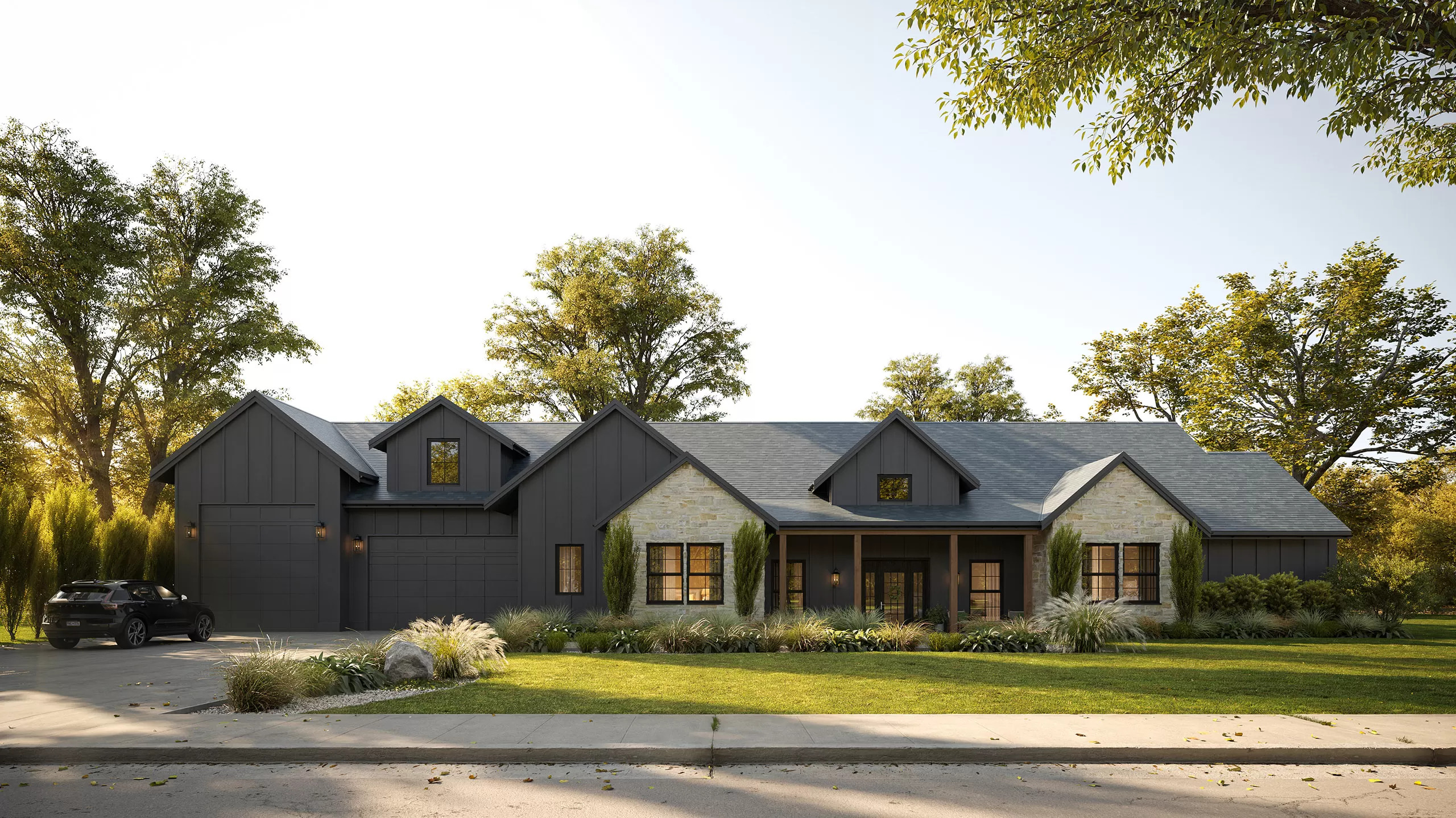
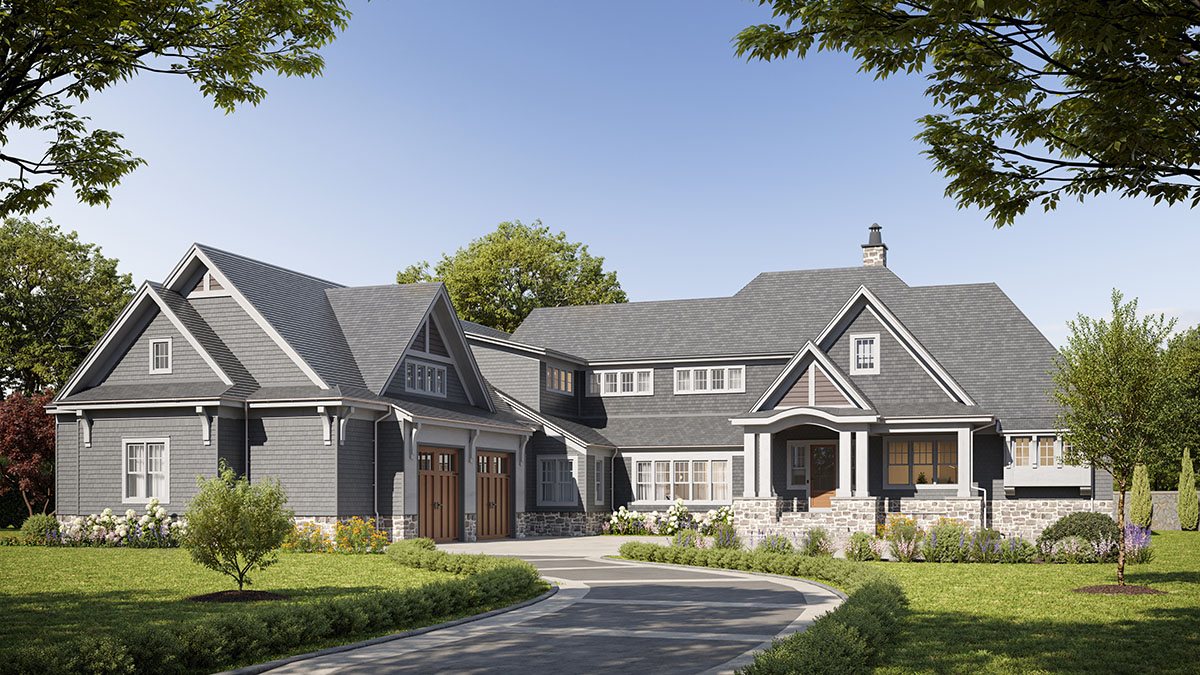
Renderings are the product. Without them, there is nothing to sell. A pre-launch visual package should include:
Asset | Purpose | Lead Time |
Exterior renderings | Facade, entry, streetscape | 3–5 weeks |
Aerial and site renderings | Context, orientation, amenities | 3–4 weeks |
Interior renderings | Kitchens, living, primary suite | 4–6 weeks |
Amenity renderings | Lobby, gym, pool, coworking | 2–4 weeks |
3D animation flythrough | Website hero, paid social, sales gallery | 6–10 weeks |
Interactive floor plans | Unit selector on the website | 3–5 weeks |
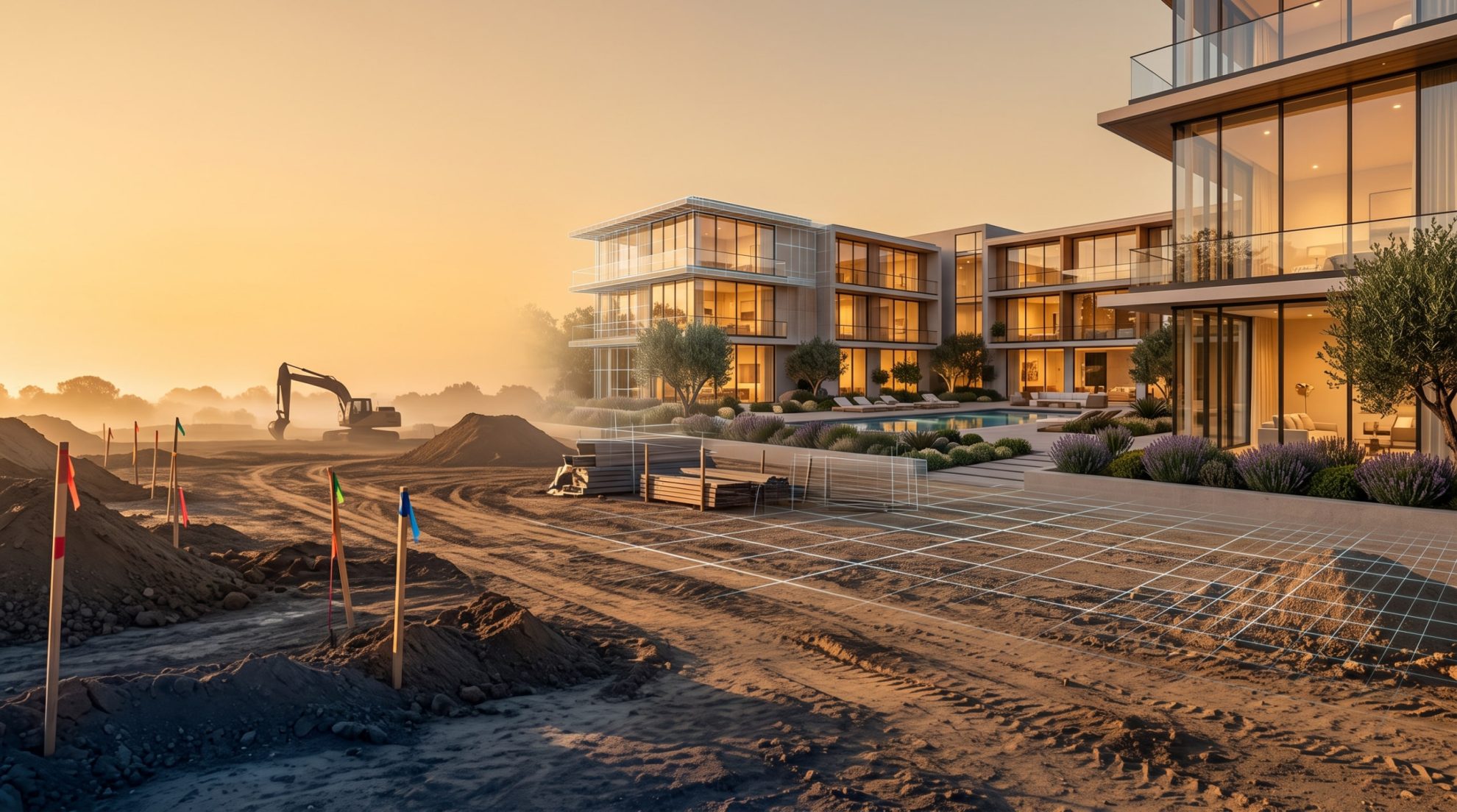
Photorealistic 3D exterior visualization is the single highest-leverage asset – one hero image drives the landing page, brochure cover, press release, billboard, and social ads for the entire campaign. Cutting the budget here to save on later phases is the most common mistake developers make.
Where to Reach Pre-Construction Buyers
Pre-construction audiences are different from resale audiences. They are patient, deposit-tolerant, and often investing rather than moving. Channels that work:
- Landing page with reservation form. Not a full site – a focused page that captures interest with a refundable hold deposit.
- Broker network. Local agents drive 40–70% of pre-sales in most markets; brief them early with a full sales kit.
- Meta and Google ads. Retarget site visitors with rendering carousels, unit availability, and price-anchor creative.
- PR and architectural press. ArchDaily, Dezeen, and local business journals reach investors and design-led buyers.
- Sales gallery or trailer. A physical space with wall-sized renderings, unit models, and finish samples closes deals traffic will not.
- International buyer events. For coastal, resort, and urban projects, roadshows in feeder markets convert faster than digital-only.
Match the channel mix to the buyer profile. A downtown condo tower and a coastal villa community are not competing for the same customer.
Build the Pre-Sale Funnel Early
Reservations happen in stages, and the funnel should be built before the first ad runs:
- Registrant. Email captured on a landing page, receives project drip campaign.
- Priority list. Refundable deposit for first-access viewing, usually $1,000 to $10,000.
- VIP preview. Private walk-through of the sales gallery, unit selection, hard deposit.
- Contract. Purchase agreement signed, non-refundable deposit at 10–20%.
Track conversion rate between each stage weekly. If the drop from registrant to priority list is under 5%, the story is weak. If priority-to-preview is soft, the pricing or product is off.
Common Mistakes to Avoid
- Launching without hero renderings. No visual, no sale – full stop.
- Underinvesting in the sales gallery. Buyers signing seven-figure contracts want to touch materials.
- Ignoring the broker channel. Direct-only strategies leave 40%+ of demand on the table.
- Silent construction phase. Once ground breaks, keep publishing progress content – buyers who reserved need reassurance.
- Waiting to name the project. A working title in year one becomes an SEO liability by year two.
Final Thoughts
New construction marketing is a long game with a short window. The developments that sell out fast are the ones treated as brands from concept, backed by photorealistic visuals from month one, and pushed through channels aligned with the buyer profile. Get the story, the renderings, and the funnel right before launch – and pre-sales fund the project instead of chasing it.